
As both a licensed real estate agent and certified Public Insurance Adjuster with over fifteen years of experience navigating property transactions across New Jersey and Pennsylvania, I've witnessed firsthand how insurance claim mistakes can devastate homeowners financially. In my dual role at Go Ramsie Homes Powered by eXp, I've helped countless families through the complex intersection of real estate and insurance claims, and I can tell you that most property damage disasters aren't caused by the initial incident: they're caused by what happens next.
Whether you're dealing with storm damage in Hamilton, water issues in Trenton, or fire damage in Philadelphia, the decisions you make in those first critical hours and days will determine whether you receive fair compensation or find yourself thousands of dollars out of pocket. My construction background combined with my insurance expertise has shown me patterns that repeat across communities, and I'm committed to ensuring you never fall victim to these costly mistakes.
Mistake #1: Not Understanding Your Policy Before You Need It
I've sat across from too many homeowners in Mercer County who discovered: after filing a claim: that their policy didn't cover what they assumed it would. Last year alone, I helped three families in Hamilton who believed their standard homeowner's policy covered flood damage, only to learn that flood requires separate coverage through FEMA's National Flood Insurance Program.
The Fix: I always advise my real estate clients to schedule annual policy reviews, not just when they're buying or selling. Contact your agent and request a detailed walkthrough of your coverage limits, deductibles, and exclusions. Pay special attention to water damage distinctions: sudden and accidental water damage versus gradual seepage often have drastically different coverage levels. Document this conversation and keep notes in your home files.

Mistake #2: Delaying Your Claim Report
Time is your enemy when property damage occurs. I've processed claims where homeowners waited weeks to report storm damage, assuming they needed to assess everything first. Insurance companies impose strict reporting deadlines: typically 30 to 60 days from the date of loss: and delays can provide grounds for claim denial.
The Fix: Report your claim within 24-48 hours of discovering damage, even if you're unsure of the extent. You don't need a complete damage assessment to initiate the process. I recommend keeping your insurance company's claim reporting number in your phone contacts. When you call, provide basic information: date of loss, cause of damage, and general location within your property. This starts your paper trail and protects your rights.
Mistake #3: Inadequate Documentation That Costs You Thousands
Poor documentation is the number one reason I see claims settlements fall short of actual repair costs. Many homeowners take a few quick photos on their phone and consider documentation complete. As someone who's reviewed hundreds of insurance settlements, I can tell you that thorough documentation often means the difference between a $15,000 settlement and a $25,000 settlement for the same damage.
The Fix: Create comprehensive visual evidence immediately after ensuring safety. Take wide-angle shots showing overall damage, then close-up photos of specific items and areas. Video walkthroughs with narration work exceptionally well. Document serial numbers, model numbers, and purchase dates for damaged appliances and electronics. I maintain detailed home inventories for all my real estate clients specifically for this purpose: it's that critical.
Mistake #4: Making Permanent Repairs Before the Adjuster's Assessment
Your instinct after property damage is to fix everything immediately, and while mitigation is essential, permanent repairs before professional assessment can jeopardize your entire claim. I've seen denials based on the inability to verify pre-repair damage when homeowners moved too quickly with contractors.
The Fix: Distinguish between emergency mitigation and permanent repairs. Immediately address safety hazards: turn off utilities if damaged, secure openings with tarps, remove standing water: but photograph everything before any action. Keep detailed receipts for mitigation expenses, as these are typically reimbursable. Wait for adjuster approval before beginning permanent restoration work. This patience often results in significantly higher settlement amounts.
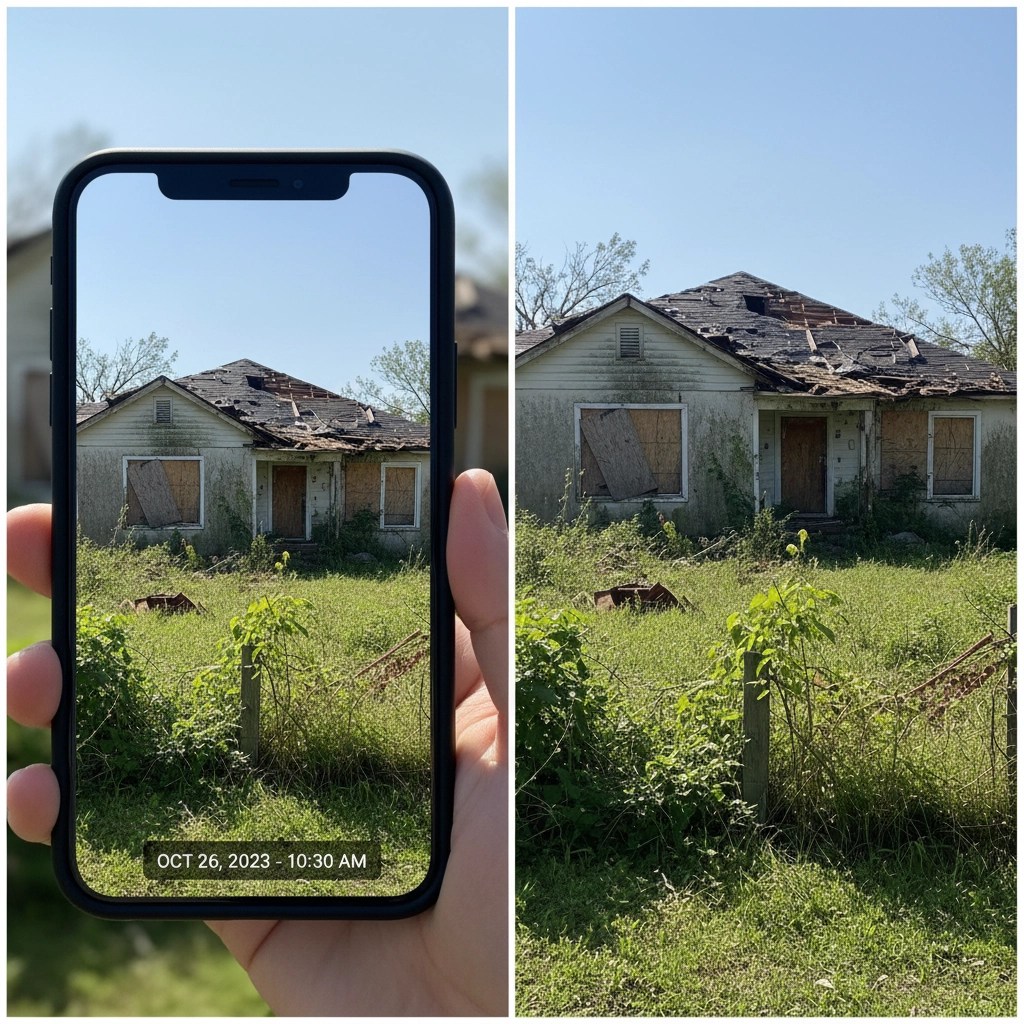
Mistake #5: Underestimating Property Values and Replacement Costs
I regularly work with families who drastically undervalue their personal property during claims, sometimes leaving $10,000 or more on the table. People forget items stored in basements, attics, and garages, or they estimate replacement costs based on what they originally paid years ago rather than current market values.
The Fix: Develop and maintain a comprehensive home inventory with current replacement values, not original purchase prices. Include everything: clothing, kitchen items, tools, outdoor equipment, electronics, furniture, and decorative items. Use retail websites to research current replacement costs for similar items. I provide my clients with inventory templates and recommend updating them annually during spring home maintenance.
Mistake #6: Ignoring Additional Living Expenses Coverage
Most homeowner policies include Additional Living Expenses (ALE) coverage, yet I estimate 60% of my clients have never heard of it. This coverage reimburses you for increased living costs when your home becomes uninhabitable due to covered damage: hotel stays, restaurant meals above your normal food budget, laundry costs, pet boarding, and other necessities.
The Fix: Review your ALE coverage limits and understand what qualifies as reimbursable expenses. Keep detailed receipts for all additional costs incurred while displaced from your home. This includes extra transportation costs, increased utility expenses at temporary housing, and communication costs. Submit ALE claims promptly and maintain ongoing documentation throughout your displacement period.
Mistake #7: Accepting the Initial Settlement Without Professional Review
Insurance companies' first settlement offers are starting points for negotiation, not final determinations. Yet most homeowners accept initial offers assuming the insurance company knows best. My experience as a Public Insurance Adjuster has shown me that initial offers average 60-70% of what claims are ultimately worth after proper advocacy and documentation.
The Fix: Never accept the first offer without thorough review and consideration. Request detailed breakdowns of how settlements were calculated. Compare proposed repair allowances with actual contractor estimates from licensed professionals. If the settlement seems inadequate, present additional documentation, seek independent damage assessments, or consider hiring a public insurance adjuster. Remember, you have the right to negotiate and advocate for fair compensation.

Throughout my career serving Hamilton, Trenton, and the broader Central Jersey and Eastern Pennsylvania communities, I've learned that successful property insurance claims require the same attention to detail and professional advocacy that I bring to every real estate transaction. My construction background helps me identify damage that others might miss, while my insurance expertise ensures nothing falls through bureaucratic cracks.
The intersection of real estate and insurance becomes especially critical during major life transitions: buying, selling, or renovating your home. Whether you're a first-time buyer learning about homeowner responsibilities or a seasoned homeowner dealing with unexpected damage, my commitment remains the same: ensuring you receive every dollar you're entitled to while protecting your most valuable investment.
At Go Ramsie Homes Powered by eXp, we don't just help you buy and sell properties: we're your advocates throughout homeownership, providing the expertise and support that transforms potentially devastating situations into manageable challenges. Your home represents security, comfort, and financial stability for your family, and I'm dedicated to protecting all three through professional guidance you can trust.
If you're facing property damage or want to better understand your insurance coverage before you need it, I'm here to help. Together, we can ensure your property investment remains protected and your family's interests always come first.
Leave a Reply