
Buying and selling a home at the same time can feel like trying to juggle flaming torches while riding a unicycle. Whether you're a first-time seller looking to move up from a condo to a single-family home in Hamilton, or you're relocating from a townhome in Trenton to a larger property in Philadelphia, the process requires careful coordination to avoid costly mistakes and unnecessary stress.
As someone who's helped countless families navigate simultaneous transactions across the Philadelphia metro area, I've seen both the horror stories and the seamless success stories. The difference often comes down to proper planning and working with professionals who understand the unique challenges of coordinating two major real estate transactions.
Let's break down the five essential steps that will help you avoid the common pitfalls and successfully transition from your current home to your dream property.
Step 1: Conduct a Comprehensive Financial Assessment and Market Analysis
Before you even think about listing your current property or making offers on new ones, you need a crystal-clear picture of your financial position and the local market conditions. This step is absolutely critical because it determines every decision that follows.
Start by getting pre-approved for a mortgage on your next home. This isn't just about knowing your budget, it's about understanding exactly how much cash you'll need for the down payment, closing costs, and any gap between your sale and purchase. In today's market, having that pre-approval letter gives you serious credibility when making offers on competitive properties.

Next, research the market conditions in your specific areas. Philadelphia, Hamilton, and Trenton each have their own market dynamics. Single-family homes in Hamilton might move faster than condos in Center City Philadelphia, while townhomes in Trenton could have different pricing pressures altogether. Understanding these nuances helps you set realistic timelines for both transactions.
Consider engaging a public insurance adjuster if your current home has any potential insurance claims or damage issues that could complicate the sale. Getting these resolved early prevents last-minute surprises that could derail your timeline.
The data shows that homes in the Philadelphia area typically take three to four months to sell, including closing and resolving contingencies. However, well-priced properties in desirable neighborhoods can move much faster. Factor this timeline into your planning, especially if you're targeting specific school districts or need to coordinate with job relocations.
Step 2: Price Your Current Home Strategically and Choose the Right Agent
Pricing strategy can make or break your simultaneous transaction. You're not just trying to maximize profit, you're trying to sell within a specific timeframe to coordinate with your purchase. This requires a delicate balance between competitive pricing and protecting your financial interests.
Work with a real estate agent who has extensive experience with simultaneous transactions and deep knowledge of your local market. Whether you're selling a condo in Philadelphia or a single-family home in Hamilton, your agent should provide you with comprehensive market analysis that includes recent sales, current inventory, and average days on market for properties similar to yours.
Don't automatically accept the first commission proposal you receive. Interview multiple agents and negotiate terms that work for your situation. Some modern brokerages offer more competitive commission structures, which can save you thousands of dollars that you can put toward your next purchase.

Your agent should also help you understand the current buyer pool for your property type. First-time buyers shopping for condos and townhomes often have different financing timelines than move-up buyers looking at single-family homes. This knowledge helps you anticipate potential delays and plan accordingly.
Consider minor improvements that could significantly impact your sale price and timeline. Fresh paint, updated fixtures, and professional staging can help your property stand out and sell faster. However, avoid major renovations that could delay your listing or tie up cash you need for your next purchase.
Step 3: Coordinate Your Buying Strategy with Your Selling Timeline
Once your home is on the market, it's time to start seriously shopping for your next property. This is where many simultaneous transactions go wrong, buyers either rush into purchases they're not ready for or miss great opportunities because they're too cautious.
The key is structuring your offers strategically. Contingent offers, where your purchase is contingent on the sale of your current home, can be effective tools when used correctly. While sellers generally prefer non-contingent offers, a well-structured contingent offer from a qualified buyer can still win in the right circumstances.
When making contingent offers, be prepared to demonstrate that your current home is priced competitively and generating serious interest. Provide your potential sellers with details about your listing, recent showing activity, and any offers you've received. This transparency helps them understand that your contingency isn't just wishful thinking.

Consider targeting properties that have been on the market longer or are in situations where sellers might be more flexible. Move-up buyers often understand the challenges of simultaneous transactions because they've been there themselves.
If you're moving between different property types, say from a townhome to a single-family home, make sure you understand the different maintenance requirements, HOA considerations, and ongoing costs. These factors could impact your financing and should be factored into your offer strategy.
Step 4: Master the Art of Closing Coordination
This is where many simultaneous transactions succeed or fail. The temptation is to schedule both closings on the same day to minimize the gap, but this is actually one of the riskiest approaches you can take.
Instead, plan for your sale to close several days before your purchase. This gives you access to your proceeds and removes the stress of coordinating two complex transactions on the same day. Yes, you might need temporary arrangements for a few days, but this approach significantly reduces the risk of delays affecting both transactions.
Work closely with both real estate agents, your lender, and the title companies to create a realistic timeline. Share information between all parties so everyone understands the interdependence of the transactions. Weekly check-ins during the contract period help identify potential issues before they become deal-killers.
Be prepared for the unexpected. Despite everyone's best efforts, issues can arise: home inspections might reveal problems, appraisals could come in low, or financing could hit snags. Having a few extra days built into your timeline provides buffer for these common challenges.
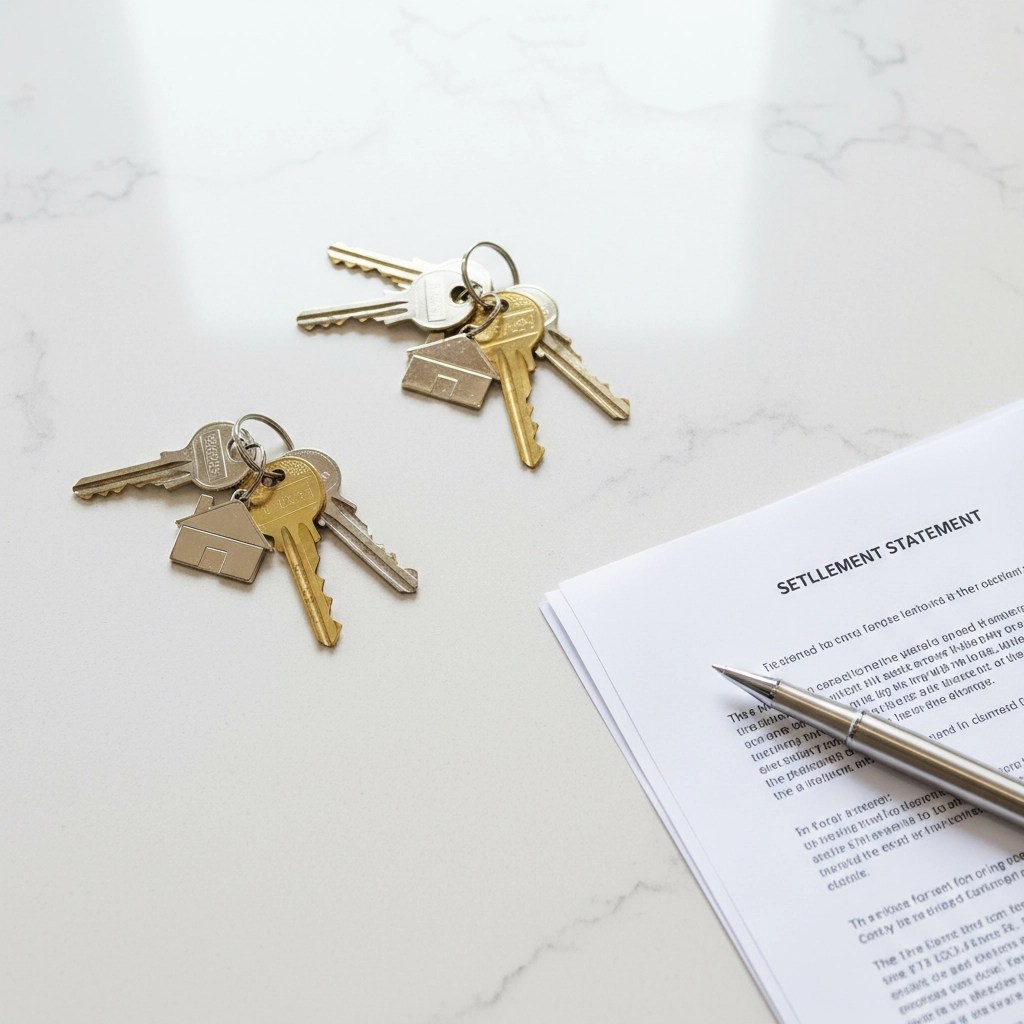
If you're working with properties that have different loan types: for example, selling a conventional-financed home and buying with an FHA loan: make sure all parties understand the different requirements and timelines associated with each financing type.
Step 5: Bridge the Gap with Smart Transition Strategies
Even with perfect planning, you'll likely need to bridge some gap between your sale and purchase. Having a solid transition strategy prevents this from becoming a nightmare scenario.
Rent-back agreements are becoming increasingly popular and can be win-win solutions. You sell your home but negotiate to stay for a predetermined period while completing your purchase. This eliminates the need for temporary housing and reduces moving costs. Make sure these arrangements are clearly documented and include reasonable daily rent calculations.
Bridge loans or home equity lines of credit can provide temporary financing to purchase before selling. While these products involve additional costs, they can give you significant advantages in competitive buying situations. You can make non-contingent offers and move on your timeline rather than being forced into rushed decisions.
For temporary housing needs, consider extended-stay hotels, corporate housing, or staying with friends and family. Factor these costs into your budget planning, along with storage fees if you need to move belongings before your new home is ready.

Don't underestimate the logistics of the actual move. Coordinate with moving companies early, especially during peak seasons. Consider whether you'll need temporary storage and factor those costs into your budget.
Budget comprehensively for all costs associated with both transactions. Beyond obvious expenses like down payments and closing costs, consider moving expenses, temporary housing costs, utility connections and disconnections, address changes, and any immediate improvements needed in your new home.
The key to successful simultaneous transactions is treating them as one coordinated process rather than two separate deals. With proper planning, realistic timelines, and experienced professionals guiding you through the process, you can successfully navigate from your current home to your new one without the nightmare scenarios that keep other homeowners up at night.
Remember that every situation is unique, and what works for a first-time seller moving from a condo in Philadelphia to a townhome in Hamilton might be different from a move-up buyer transitioning from a townhome in Trenton to a single-family home in the suburbs. The key is working with professionals who understand these nuances and can adapt strategies to your specific circumstances.
Leave a Reply