
Let's be real about something: Philadelphia's housing market has been throwing some serious curveballs lately. If you've been house hunting in Philly recently, you've probably felt that gut punch when you see what $300K gets you compared to just a few years ago. But here's the thing – I've been helping buyers navigate these choppy waters for years, and there are definitely ways to win without emptying your savings account.
As someone who's worked in both construction and insurance adjusting before diving into real estate, I've seen every trick in the book. More importantly, I've learned how to spot opportunities that others miss. Whether you're a first-time buyer getting sticker shock or a move-up buyer feeling stuck, these five strategies will help you get ahead of the game.
Understanding Where We Stand Today
Before we dive into strategies, let's talk reality. Philadelphia's median home prices have been all over the map depending on who's reporting, but the general trend is clear – we're looking at homes in the $280K to $400K range for that "median" price point. The market's still competitive, with homes typically receiving about two offers and selling within 49 days.
But here's what the headlines don't tell you: inventory is slowly improving (up about 5.5% annually), and buyers are getting a bit more time to think. That's a shift from the absolute feeding frenzy we saw a couple years back. This creates opportunities if you know where to look.
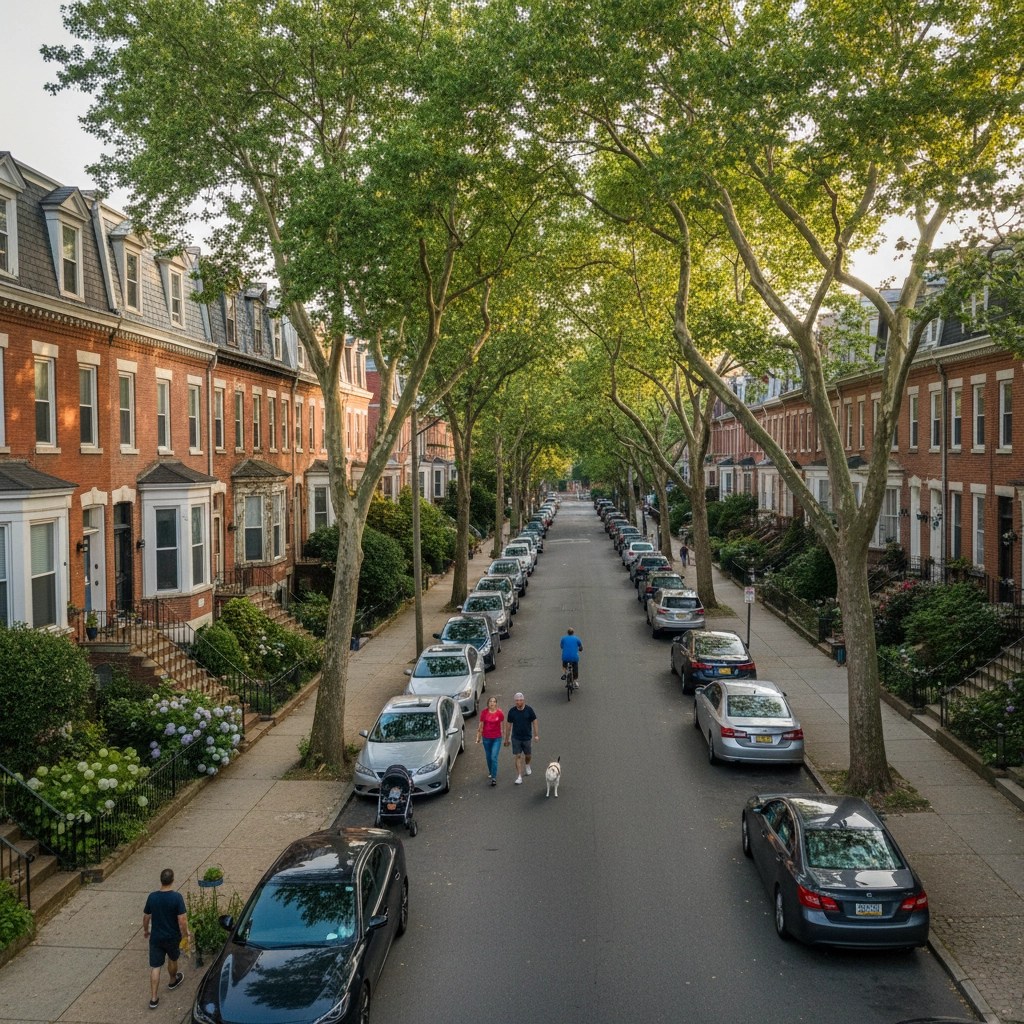
Strategy 1: Master the Neighborhood Game
This is where my construction background really comes in handy. While everyone's fighting over the same established neighborhoods, smart buyers are looking at areas that are about to turn the corner. West Philadelphia, Port Richmond, and South Kensington are three areas I'm watching closely right now.
Here's why this matters: these neighborhoods offer significantly better entry points while positioning you for serious equity growth. Instead of paying premium prices for a house that's already appreciated, you're getting in before the wave hits.
When I evaluate these emerging areas, I look at infrastructure improvements, new business developments, and construction permits. These are leading indicators that most buyers don't think about. Hamilton and Trenton buyers can apply this same logic – look for areas where the municipality is investing in improvements or where new commercial development is planned.
The key is doing your homework. Walk the neighborhoods at different times of day. Talk to local business owners. Check out the school ratings and community involvement. You want to find areas that feel safe and have momentum, not just cheap prices.
Strategy 2: Get Strategic About Your Search Parameters
Most buyers are way too narrow in their search criteria, and it's costing them thousands. Here's what I mean: instead of searching for "3 bedroom, 2 bath, exactly this neighborhood," expand your thinking.
Consider a 2-bedroom with a finished basement that could be converted. Look at 1.5 baths where adding a powder room is feasible. Think about neighborhoods that are a 10-minute drive from your "perfect" area but cost 20% less.
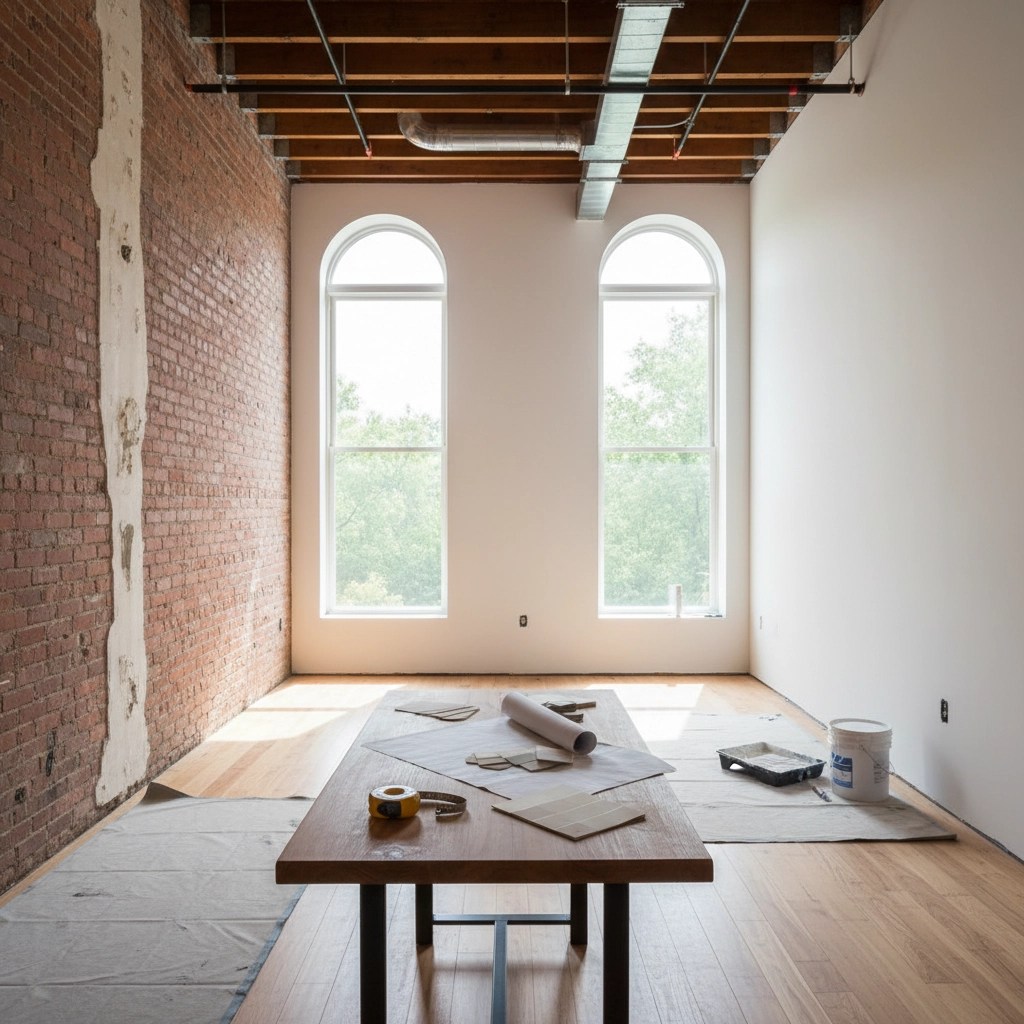
This is where having a real estate agent with construction knowledge becomes invaluable. I can walk through a property with you and immediately identify which walls can come down, which spaces can be finished, and what renovations are worth the investment versus money pits.
For first-time buyers especially, buying something that's 80% perfect and using sweat equity to get it to 100% can save serious money. Move-up buyers can often find larger homes in transitional neighborhoods that would cost twice as much in established areas.
Strategy 3: Time Your Negotiations Like a Pro
The Philadelphia market might be competitive, but that doesn't mean every seller is getting exactly what they want. Here's the inside scoop: homes that sit on the market for more than 30 days often have motivated sellers, especially if they're already in contract on their next property.
I've noticed patterns in price reductions that most buyers miss. Homes priced at round numbers ($350K, $400K, $425K) often have more negotiating room than homes priced at odd numbers ($347K, $398K). Why? Psychology. The round number pricing usually means the seller started high and has room to move.
When you make an offer, don't just focus on price. In today's market, terms matter just as much. A clean offer with a quick closing and minimal contingencies can beat a higher offer with complications. I've seen sellers take offers $15K lower because the buyer could close in 21 days instead of 45.
For Hamilton and Trenton buyers, this timing strategy is even more effective because these markets typically have less competition than Philadelphia proper.
Strategy 4: Leverage Construction Expertise for Hidden Value
This is probably my biggest advantage as your real estate agent – I can spot problems and opportunities that others miss completely. Most buyers see a house with dated finishes and walk away. I see a house with good bones that needs cosmetic work, which often represents the best value in the market.
Here's what I look for: solid foundation, good roof condition, updated electrical and plumbing, and a functional HVAC system. If those major systems are solid, everything else is just cosmetics. You can update a kitchen for $15K, but replacing a roof costs $20K+.
I've helped buyers negotiate $25K off asking prices simply by identifying issues during the showing that the seller didn't know about. My insurance adjusting background means I can spot potential problems with moisture, structural issues, and code violations that could become expensive headaches.
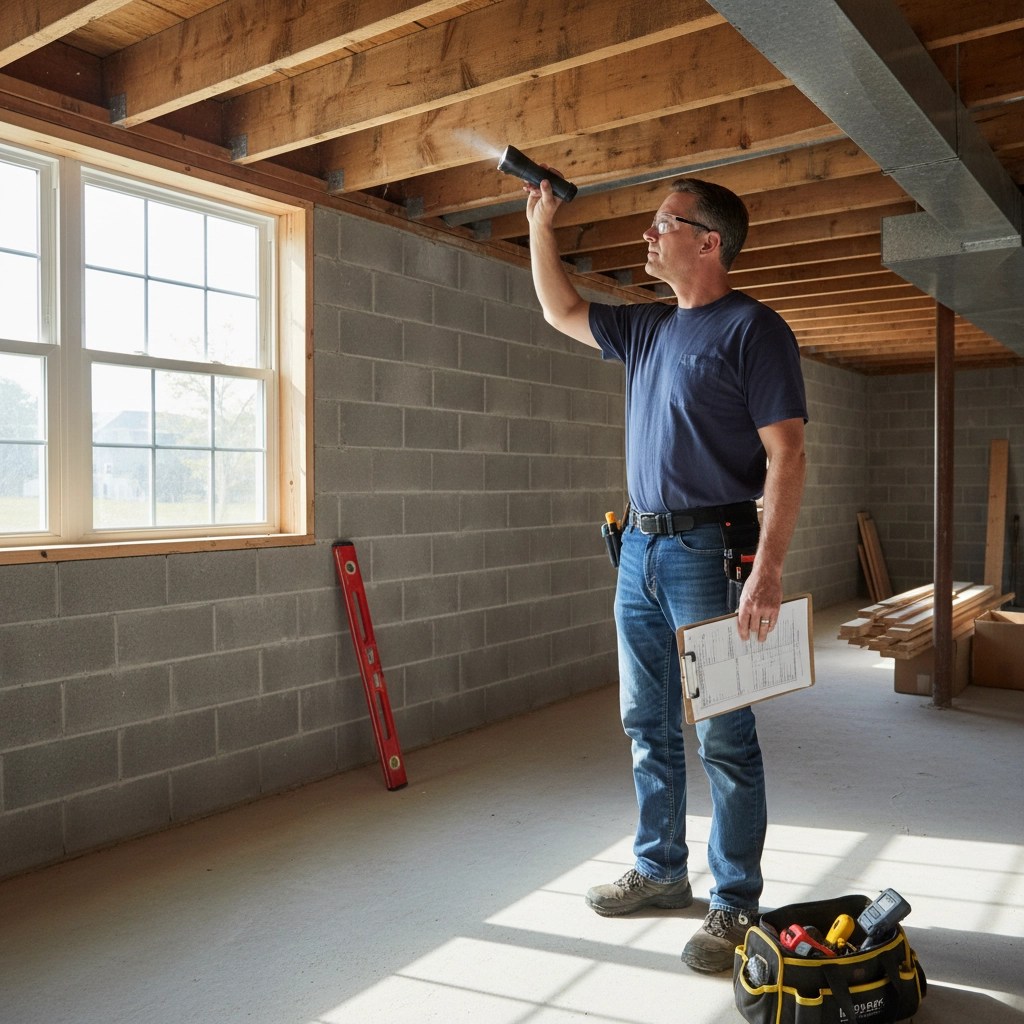
For move-up buyers, this expertise is especially valuable when looking at larger, older homes. These properties often have the best bones but need updates that scare away other buyers.
Strategy 5: Build a Financial Strategy That Works
Here's where most buyers mess up – they focus only on the purchase price and forget about the total cost of homeownership. In Philadelphia's current market, being financially strategic means thinking beyond just the down payment.
First, get pre-approved with multiple lenders. Rates are sitting around 6.5% right now, but I've seen variations of up to 0.5% between lenders for the same buyer. That difference adds up to thousands over the life of your loan.
Second, consider your timing. If you're not in a rush, buying during the slower winter months can give you more negotiating power. I've noticed that motivated sellers are more flexible on price between November and February.
Third, factor in renovation costs from day one. That "bargain" house might need $30K in immediate repairs, while the slightly more expensive move-in-ready home might actually cost less in the first year.
For Hamilton and Trenton buyers, the financial strategy often involves comparing total housing costs. Sometimes a higher purchase price in a better location saves money on commuting, utilities, and long-term maintenance.
Making Your Move in Today's Market
The Philadelphia housing market isn't going to get easier anytime soon, but that doesn't mean your dream home is out of reach. It means you need to be smarter, more strategic, and work with someone who understands both the market dynamics and the construction realities.
What I've learned from years in construction and insurance is that every property has a story, and every challenge has a solution. Sometimes the best deals are the ones that require a little vision and some elbow grease.
Ready to start your search with a strategy that actually works? Let's talk about your specific situation and create a game plan that gets you into your dream home without the financial nightmare. Visit josephclarke.exprealty.com to schedule a consultation, and let's turn that price shock into your next smart investment.
The market might be tough, but with the right approach, you can still win – and win big.
Leave a Reply