
After analyzing thousands of real estate transactions across New Jersey and processing countless insurance claims as a Public Insurance Adjuster, I've discovered something that might shock you: the traditional "rent vs. buy" math has completely flipped in 2026. What used to favor homeownership after 5-7 years now tells a dramatically different story: and the numbers will surprise you.
The New Jersey Reality Check: What $400,000 Actually Gets You
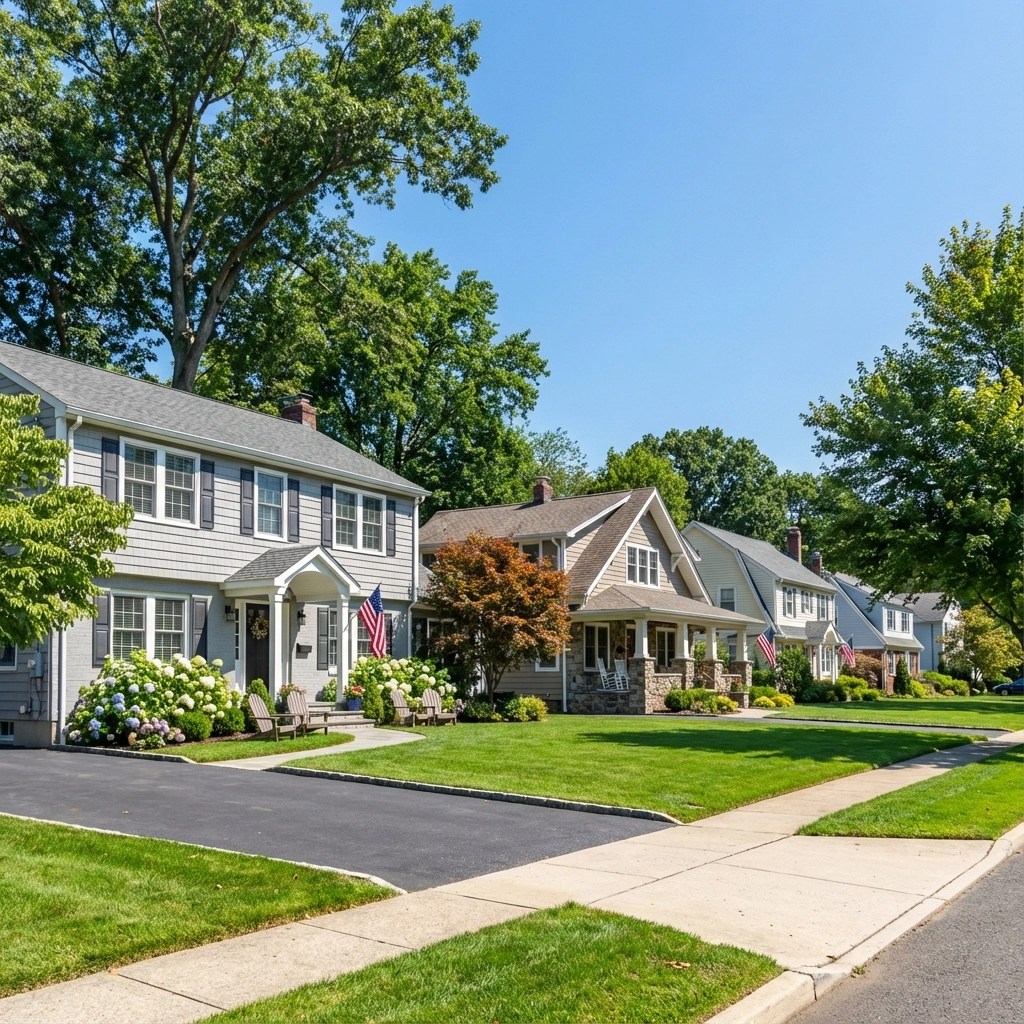
Let's start with hard numbers. In Hamilton Township, where I've helped dozens of families find their perfect home, the median home price has reached $385,000 in 2026. Compare this to Trenton at $275,000, or venture into Mercer County's more desirable neighborhoods where you're looking at $450,000+.
But here's where it gets interesting: monthly rents haven't kept pace with purchase prices. A 3-bedroom home that costs $400,000 to buy typically rents for $2,400-$2,800 per month. This creates what I call the "New Jersey Math Anomaly": and it's reshaping how smart buyers approach their housing decisions.
Breaking Down the Buy Scenario: The Real Numbers
Let's examine a typical $400,000 home purchase in Hamilton Township: a scenario I guide clients through regularly:
Upfront Investment:
- Down payment (20%): $80,000
- Closing costs: $8,000-$12,000
- Moving expenses: $2,500
- Immediate repairs/updates: $5,000-$15,000
- Total initial investment: $95,500-$109,500
Monthly Carrying Costs:
- Mortgage payment (6.8% interest): $2,100
- Property taxes: $850 (New Jersey's notorious tax burden)
- Homeowners insurance: $180
- PMI (if less than 20% down): $200
- Maintenance reserve: $200-$300
- Total monthly cost: $3,530-$3,630
From my experience processing insurance claims, I always tell clients to budget an additional $3,000-$5,000 annually for unexpected repairs. Last year alone, I helped homeowners navigate claims for everything from burst pipes to storm damage: costs that renters never face.
The Rental Alternative: More Straightforward Than You Think
That same $400,000 Hamilton home? It rents for approximately $2,650 per month. Add renter's insurance ($25/month) and you're looking at $2,675 monthly.
The Shocking Math:
- Buying: $3,580/month average
- Renting: $2,675/month
- Monthly savings by renting: $905
But wait: there's more to this story.

The Hidden Costs That Change Everything
Through my dual expertise in real estate and insurance adjusting, I've identified hidden costs that most online calculators miss:
Property Tax Increases: New Jersey municipalities typically raise assessments 2-4% annually. On a $400,000 home, expect your tax bill to increase by $340-$680 each year.
Insurance Premium Growth: Homeowners insurance has jumped 15-20% annually due to increased storm activity. What starts as $180/month often reaches $250+ within three years.
Maintenance Reality Check: The "1% rule" (spend 1% of home value annually on maintenance) is outdated. In my experience, New Jersey homeowners spend 1.5-2.5% due to our harsh weather cycles, aging infrastructure, and strict municipal codes.
Special Assessments: Many HOA communities are facing $5,000-$15,000 special assessments for infrastructure repairs: costs completely absent from rental scenarios.
Regional Variations That Matter
My practice covers diverse markets, and the math varies dramatically by location:
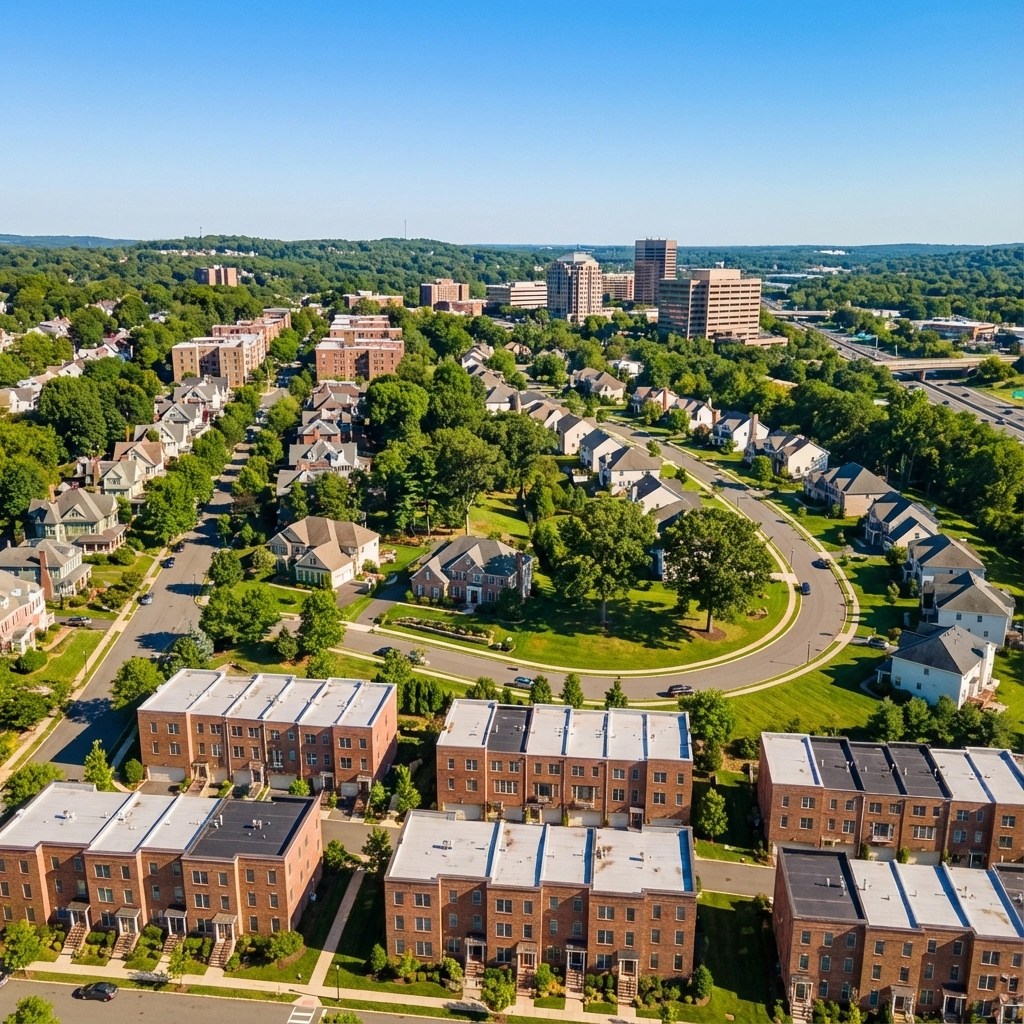
Princeton Area: Buy vs. rent favors renting by $1,200-$1,500 monthly due to astronomical purchase prices versus relatively stable rental rates.
Trenton: Lower purchase prices create a break-even point around 4-5 years: closer to traditional models.
Suburban Hamilton/Lawrence: The sweet spot where buying begins to make sense after 6-7 years, assuming you stay put.

The Investment Perspective: Appreciation vs. Opportunity Cost
Here's where the analysis gets sophisticated. That $95,000 down payment invested in index funds averaging 7% returns would grow to approximately $133,000 in five years. Meanwhile, New Jersey home appreciation is projected at 3-4% annually: solid, but not spectacular.
Five-Year Scenarios:
Homeownership:
- Home value: $400,000 → $485,000 (4% annual growth)
- Equity gained: $85,000
- Less: transaction costs to sell: $30,000
- Net equity gain: $55,000
Renting + Investing:
- Down payment invested: $95,000 → $133,000
- Monthly savings invested ($905 × 60 months): $54,300 → $64,000 (growing)
- Total investment value: $197,000
The math strongly favors the renting strategy in this scenario.
When Buying Makes Sense: The Sweet Spots
Despite these numbers, I still recommend buying in specific situations:
Long-term Stability: Planning to stay 10+ years shifts the equation significantly. Fixed mortgage payments provide inflation protection while rents continue rising.
Life Stage Considerations: Families with school-age children benefit from stability and community ties that homeownership provides: value that transcends pure mathematics.
Tax Advantages: High earners in New Jersey's top tax brackets can still benefit substantially from mortgage interest and property tax deductions.
Market Timing: Buyers who secure below-market interest rates or purchase in transitional neighborhoods may outperform these projections.
The Insurance Adjuster's Perspective: Risk Assessment
My background in insurance claims provides unique insight into homeownership risks. In 2025, I processed claims totaling over $2.3 million for New Jersey homeowners: costs ranging from $500 plumbing issues to $75,000 storm damage repairs.
Renters face zero exposure to these risks. When your rental unit needs a new roof, HVAC system, or flood remediation, it's not your financial responsibility. This risk transfer has real monetary value that traditional calculators ignore.
Making Your Decision: Beyond the Numbers
While the math currently favors renting in many New Jersey markets, your decision should consider:
Personal Goals: Do you want to build equity, even if it's less efficient than other investments?
Lifestyle Preferences: The freedom to renovate, garden, or keep pets might outweigh financial optimization.
Market Timing: Are you prepared to buy at potentially peak prices, or would waiting for market normalization make sense?
Employment Stability: Job changes or relocations are easier when renting.
The Bottom Line
The surprising truth about New Jersey's 2026 housing market is that renting often provides better financial returns than buying: at least in the short to medium term. This represents a fundamental shift from historical norms and challenges conventional wisdom about homeownership as the path to wealth building.
However, every situation is unique. As both a real estate professional and insurance adjuster, I've learned that the "best" choice depends on your specific circumstances, risk tolerance, and life goals.
Ready to run the numbers for your specific situation? I offer comprehensive buy vs. rent analysis that incorporates all the factors most calculators miss. Contact me for a personalized consultation where we'll examine your unique scenario and create a housing strategy that aligns with your financial goals.
Together, we can navigate this complex market and make the decision that's right for your family's future.
Joseph B. Clarke
Real Estate Agent & Public Insurance Adjuster
Go Ramsie Homes Powered by eXp Realty
Learn more about my services

Leave a Reply