
Pennsylvania's real estate market offers incredible opportunities for savvy investors, and multi-family properties are leading the charge. Whether you're a seasoned investor or just getting started, the Keystone State has something special to offer. Let me walk you through the essential insights that could make or break your investment strategy.
1. Pennsylvania's Population Growth is Driving Demand
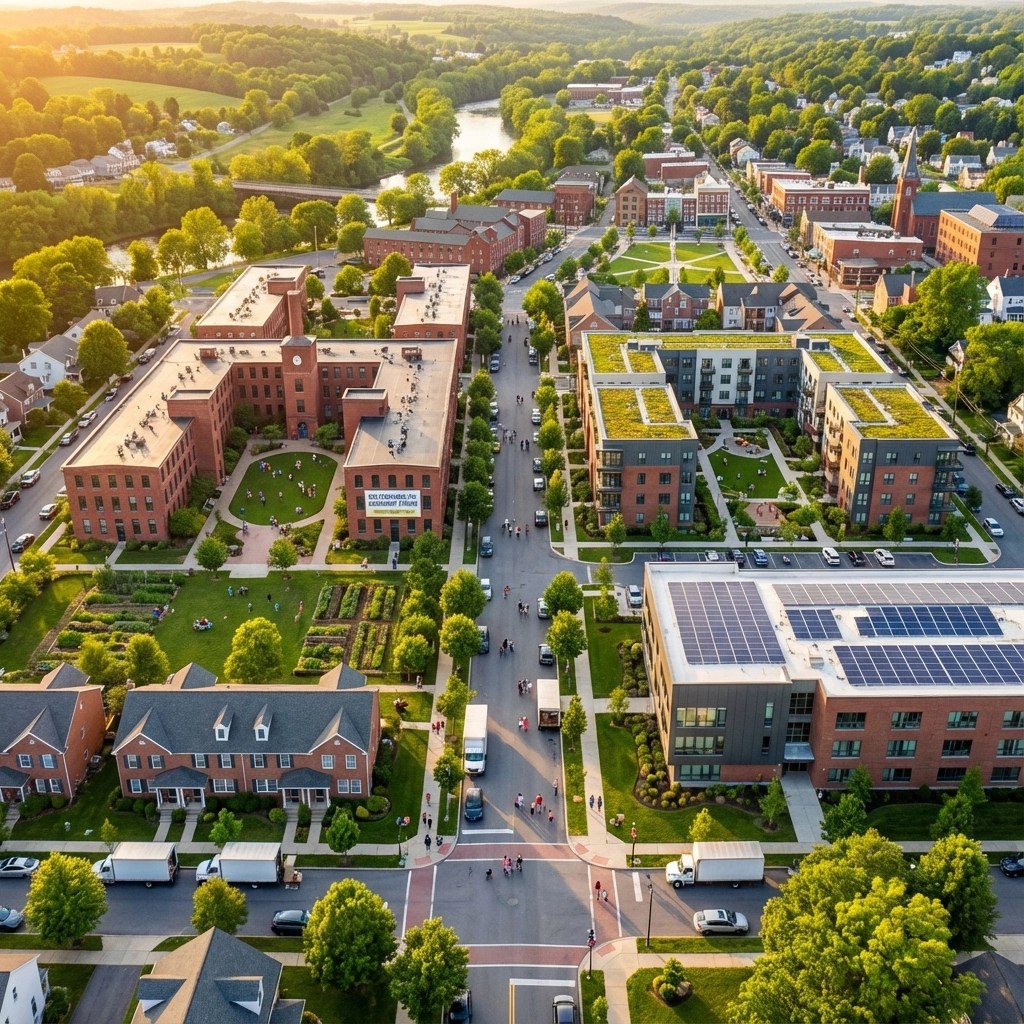
Here's something that might surprise you – Pennsylvania is experiencing steady population growth driven by both natural increase and migration patterns. This isn't just good news for the state; it's fantastic news for multi-family property investors. When more people need places to live, rental demand stays strong, which means your investment properties stay occupied.
The growth isn't random either. People are moving here for jobs, education, and quality of life. That creates a stable tenant base that you can count on for consistent rental income.
2. The Economy Works in Your Favor
Pennsylvania's economy isn't a one-trick pony. The largest employment sectors include trade, transportation, and utilities; education and health services; and government. This diversity is your friend as an investor because it means job stability across multiple industries.
What really gets me excited about this market is the education and healthcare presence. Universities and medical facilities create consistent demand for housing from students, faculty, and healthcare workers. These tenants often prefer multi-family properties for the convenience and community they offer.
3. There's Serious Inventory to Choose From
Right now, there are thousands of multi-family properties for sale across Pennsylvania – we're talking about 2,200+ listings at any given time. This isn't a market where you're fighting over scraps. You have options, and that means you can be selective about location, condition, and price.
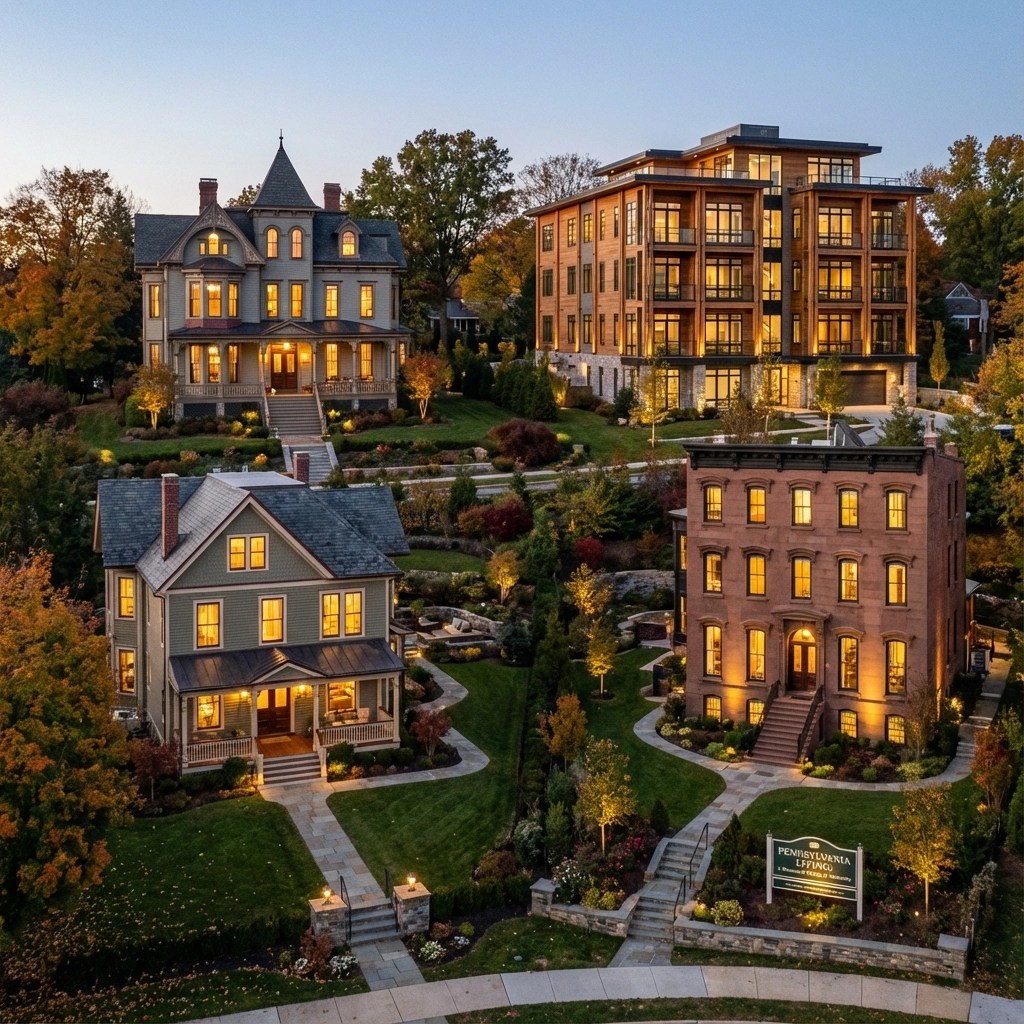
From historic brownstones in Philadelphia to modern apartment complexes in Pittsburgh, the variety is impressive. You'll find duplexes in charming small towns and large apartment buildings in bustling urban centers. Whatever your investment strategy, Pennsylvania likely has the property type to match it.
4. Financing Options are Abundant
Don't let anyone tell you that financing multi-family properties is impossible. Pennsylvania investors have access to multiple loan types that can make deals happen. You've got traditional bank and credit union loans, Fannie Mae multifamily loans, HUD loans, and bridge loans for short-term needs.
HUD loans deserve special attention here. Programs like the 221(d)(4) for construction financing and 223(f) for acquisition and refinancing offer competitive terms with fully amortizing options and high leverage allowances. These aren't just theoretical options – they're real tools that working investors use every day.

5. Insurance Costs Have Skyrocketed (Plan Accordingly)
Here's the reality check you need to hear: multifamily property insurance costs have increased dramatically. We're seeing increases of 200% or more in some locations, and even less-affected areas are experiencing 30-50% annual increases.
This isn't meant to scare you away from investing. It's meant to help you budget accurately. Factor these rising insurance costs into your investment calculations from day one. The deals that still work after accounting for higher insurance premiums are the deals worth pursuing.
6. Multiple Revenue Streams Equal Stability
This is where multi-family properties really shine compared to single-family rentals. With multiple units generating income, you're not dependent on a single tenant. If one unit becomes vacant, you still have rental income coming in from the others.
This diversification within a single property provides a stability that single-family investors can only achieve by owning multiple properties. It's risk management built right into the property type.
7. Location Variety Means Strategy Flexibility
Pennsylvania gives you the best of both worlds – major metropolitan areas and smaller, growing communities. Philadelphia and Pittsburgh offer urban investment opportunities with strong job markets and public transportation. Cities like Allentown, Lancaster, and Bethlehem provide smaller-market opportunities with potentially lower entry costs.
Each location type supports different investment strategies. Urban properties might command higher rents but require more capital upfront. Smaller markets might offer better cash flow ratios with lower acquisition costs.
8. Price Points Span Every Budget
Whether you're working with $75,000 or $1.4 million, Pennsylvania's multi-family market has options for you. This price range diversity means you can start small and scale up, or jump in with larger properties if you have the capital and experience.
The key is matching your budget not just to the purchase price, but to the total investment including repairs, renovations, and operating capital. A lower-priced property that needs extensive work might end up costing more than a higher-priced property in move-in condition.

9. Market Timing Matters More Than Perfect Timing
Here's something I've learned after years in this business: waiting for the "perfect" market timing often means missing good opportunities. Pennsylvania's multi-family market has consistent demand drivers that aren't going away – population growth, diverse employment, and educational institutions.
Instead of trying to time the market perfectly, focus on finding properties that make financial sense at today's prices and interest rates. A good deal today beats a perfect deal that never materializes.
10. Local Knowledge is Your Competitive Edge
Every Pennsylvania market has its nuances. School districts matter differently in suburban areas versus urban centers. Some neighborhoods are gentrifying while others are established and stable. Public transportation access can make or break rental demand in certain areas.
This is where working with a local real estate professional becomes invaluable. Someone who understands Pennsylvania markets intimately can help you identify opportunities and avoid pitfalls that aren't obvious from online research alone.
Making Your Move
Pennsylvania's multi-family investment landscape offers real opportunities for investors who do their homework and plan carefully. The combination of population growth, economic diversity, financing options, and property variety creates an environment where informed investors can build wealth through real estate.
Remember that every investment carries risks, and multi-family properties are no exception. Rising insurance costs, market fluctuations, and property management challenges are all part of the equation. But for investors who understand these factors and plan accordingly, Pennsylvania multi-family properties can provide both current income and long-term wealth building.
The key is starting with solid financial fundamentals, realistic expectations, and the right professional support. Whether you're looking at your first duplex or your next apartment building, Pennsylvania's multi-family market deserves serious consideration.
Ready to explore what Pennsylvania multi-family properties could mean for your investment portfolio? Let's discuss your specific situation and goals. You can reach me at josephclarke.exprealty.com to start the conversation.
Equal Housing Opportunity

Leave a Reply