
Let me be real with you, filing a home insurance claim can feel like navigating a maze blindfolded. After years of working as both a real estate agent and a public insurance adjuster, I've seen countless homeowners in New Jersey and Pennsylvania leave serious money on the table. We're talking thousands of dollars that could have stayed in their pockets.
The truth? Insurance companies aren't in the business of handing out maximum payouts. They're running a business too. But here's the good news: when you understand the common pitfalls and bring some construction know-how to the table, you can level the playing field.
Let's dive into the seven costly mistakes I see homeowners make, and how my construction background has helped clients recover what they're actually owed.
Mistake #1: Assuming Your Policy Covers Everything
Here's a scenario I see way too often. A homeowner experiences water damage, files a claim, and gets hit with the dreaded "that's not covered" response. The look of shock? It breaks my heart every time.
Your policy isn't a magic blanket. Coverage limits and exclusions vary wildly from one policy to another. Flood damage, sewer backups, mold remediation, these are often excluded or require separate riders.
What to do instead:
- Pull out your policy right now (yes, right now) and actually read it
- Make a list of what IS and ISN'T covered
- Call your agent to clarify anything confusing
- Consider additional coverage for gaps, especially if you're in a flood-prone area of the Delaware Valley
My commitment to you? When I work with clients, we review these details together. Understanding your coverage before disaster strikes saves heartache later.

Mistake #2: Taking Blurry Photos and Calling It "Documentation"
I cannot stress this enough: poor documentation is probably the most expensive mistake you can make.
A few grainy iPhone photos from across the room won't cut it. Insurance adjusters are trained to minimize claims, and without solid evidence, they'll do exactly that.
Here's how to document like a pro:
- Take photos AND videos from multiple angles
- Get close-up shots showing the extent of damage
- Include wide shots for context
- Photograph serial numbers on damaged electronics and appliances
- Keep all receipts for damaged items
- Date-stamp everything
With my construction background, I know exactly what details matter. That hairline crack might look minor, but it could indicate structural issues that cost tens of thousands to repair. Documentation isn't just about snapping pictures: it's about capturing the full scope of the problem.
Mistake #3: Waiting Too Long to File Your Claim
Life gets busy. I get it. That roof leak happened last month, and you've been meaning to call the insurance company, but work has been crazy and the kids have activities and…
Stop. File. Now.
Delays create multiple problems:
- Further damage may not be covered
- Evidence degrades over time
- Insurance companies have strict filing deadlines
- Adjusters may question why you waited
Most policies require "prompt" notification of damage. While the exact timeline varies, waiting weeks or months gives your insurer ammunition to reduce or deny your claim. The moment damage occurs, start the claims process.
Mistake #4: Making Permanent Repairs Before the Adjuster Shows Up
I totally understand the instinct. Your basement flooded, and you want it fixed yesterday. But here's where homeowners shoot themselves in the foot.
Making permanent repairs before inspection can result in claim denial.
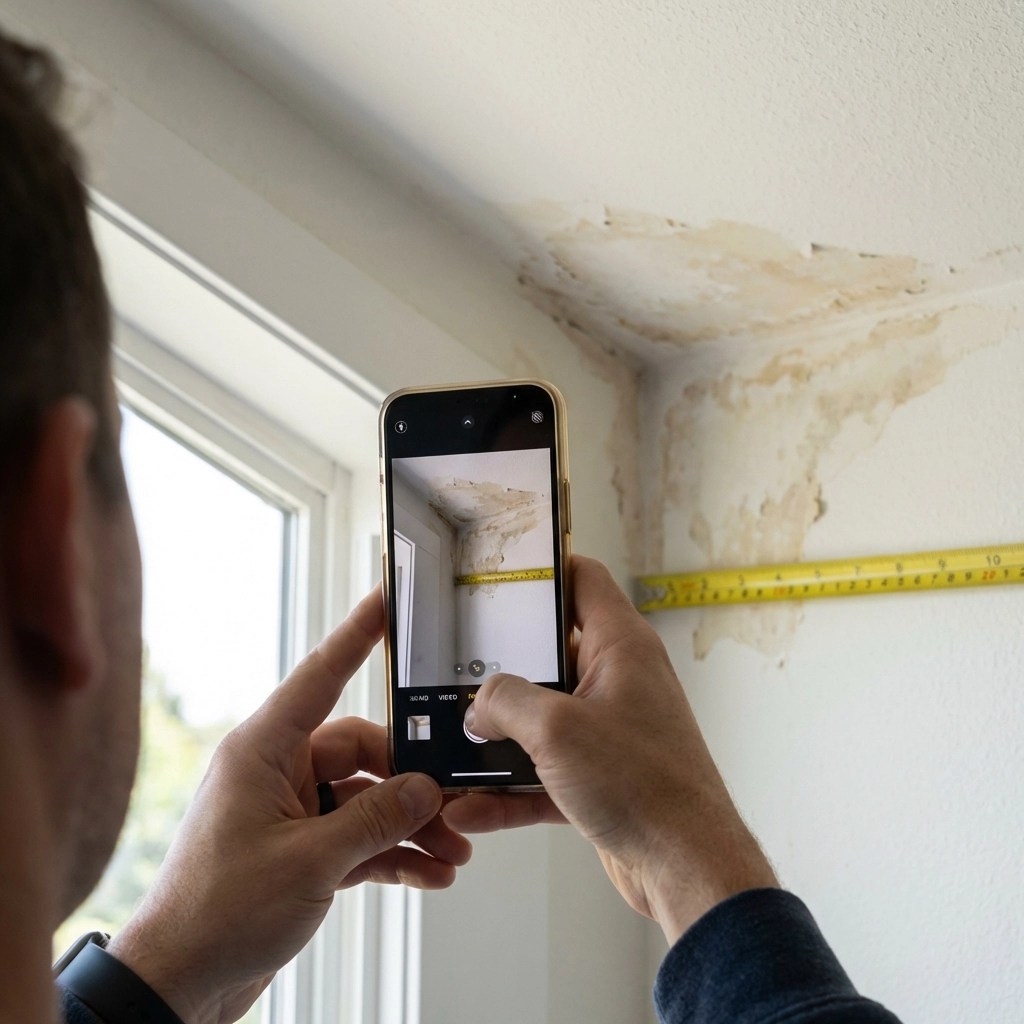
The adjuster needs to see the actual damage to assess it properly. If you've already ripped out drywall and installed new flooring, how can they verify what happened?
The smart approach:
- Make temporary repairs to prevent further damage (tarping a roof, boarding up windows)
- Document these temporary fixes with photos and receipts
- Save all damaged materials if possible
- Wait for the official inspection before permanent work begins
Here's a pro tip from my construction days: those temporary repair costs? They're often reimbursable. Keep every receipt.
Mistake #5: Cleaning Up Before the Inspector Arrives
Your instinct after a disaster is to start cleaning. I've walked into homes where well-meaning homeowners have already hauled debris to the curb, thrown away damaged furniture, and scrubbed everything clean.
This destroys your evidence.
That water-damaged carpet you tossed? Gone. The mold-covered drywall you ripped out? Evidence destroyed. The inspector needs to see the damage in its original state to properly assess your claim.
I know it's uncomfortable living with the mess. But a few extra days of discomfort can mean thousands more dollars in your settlement. Wait until the adjuster has documented everything before you clean up.
Mistake #6: Accepting the First Settlement Offer Without Question
Insurance companies aren't charities. Their first offer is typically their lowest offer: a starting point, not a final number.
Many homeowners accept immediately, relieved to get something. But that initial settlement often doesn't cover actual repair costs. I've seen clients offered settlements that were 30-50% below what proper repairs actually cost.
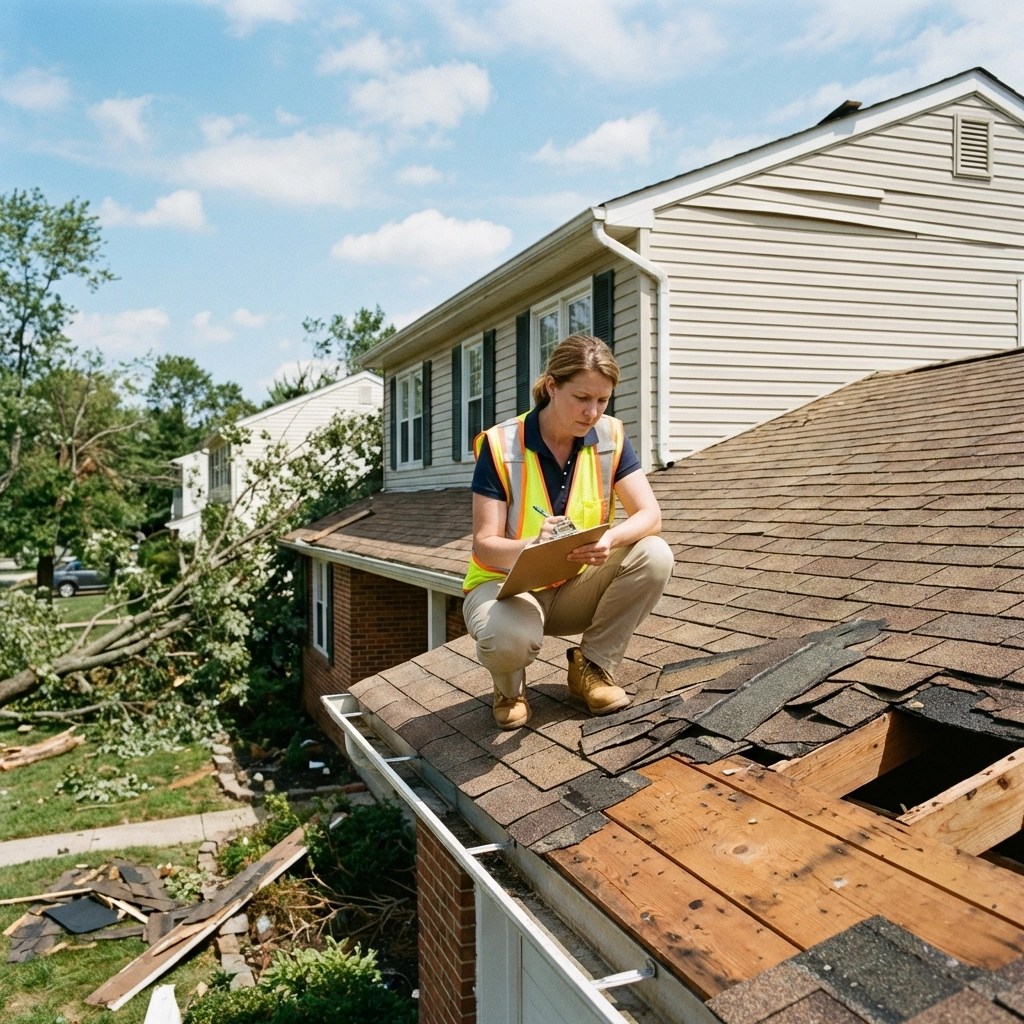
Before accepting any offer:
- Get independent repair estimates from licensed contractors
- Compare the settlement against your documentation
- Question any discrepancies in writing
- Don't be afraid to negotiate
This is where construction expertise becomes invaluable. Insurance adjusters often use software that generates quick, surface-level estimates. They might miss code-required upgrades, hidden damage, or the true cost of materials and labor in our NJ/PA market.
Together, we can ensure your settlement reflects reality, not a lowball algorithm.
Mistake #7: Forgetting to Document Additional Living Expenses
If your home becomes uninhabitable, your policy likely includes Additional Living Expenses (ALE) coverage. This can cover hotel stays, restaurant meals, laundry costs, and more while repairs are underway.
But here's the catch: you need documentation.
Keep every receipt. Hotel bills, restaurant charges, gas for longer commutes, pet boarding fees: all of it. These costs add up quickly, and without proper records, you won't get reimbursed.
I've helped clients recover thousands in ALE that they would have otherwise absorbed out of pocket. It's money you're entitled to: don't leave it behind.
How Construction Expertise Changes Everything
Here's where my unique background comes into play. As someone who's spent years in construction before becoming a real estate professional and public insurance adjuster, I see things differently than your typical claims representative.
What I bring to the table:
- Understanding of structural damage that isn't immediately visible
- Knowledge of current building codes and required upgrades
- Accurate material and labor cost estimates for our local market
- Experience identifying damage patterns that indicate bigger problems
- Relationships with trusted contractors who do quality work
When insurance company adjusters prepare quick estimates using outdated software, I can counter with detailed, code-compliant assessments. This isn't about gaming the system: it's about ensuring you receive fair compensation for legitimate damage.
The Bottom Line
Filing an insurance claim shouldn't feel like a battle, but sometimes it does. The good news? You don't have to fight alone.
My goal is simple: help homeowners in New Jersey and Pennsylvania protect their investments and recover what they deserve. Whether you're dealing with storm damage, water intrusion, fire loss, or any other covered peril, having someone with construction knowledge in your corner makes a measurable difference.
Have questions about a current claim or worried about coverage gaps? I'm here to help. Reach out through my website and let's make sure you're protected.
Joseph B. Clarke is a licensed real estate agent with Go Ramsie Homes Powered by eXp and a public insurance adjuster serving New Jersey and Pennsylvania.

Leave a Reply