
Look, I'm going to let you in on something that might ruffle a few feathers in the real estate world. After years working in construction and as a public insurance adjuster before becoming a realtor, I've seen things differently than most agents, and definitely differently than your average home inspector.
This isn't about bashing home inspectors. Most of them do solid work within their scope. But here's the thing: that scope has some serious blind spots. And if you're buying a home in New Jersey or Pennsylvania in 2026, you need to know what those blind spots are before you sign on the dotted line.
Let me pull back the curtain.
The Truth About What Home Inspectors Actually Do
First, let's get something straight. Home inspectors are not structural engineers. They're not code inspectors. They're not contractors. Even if they have construction backgrounds, their professional role during an inspection is limited to visual observations.
Think about that for a second.
They can't see behind walls. They can't look under flooring. If there's furniture blocking something, they can't move it. No x-ray vision here, just eyeballs and a flashlight.
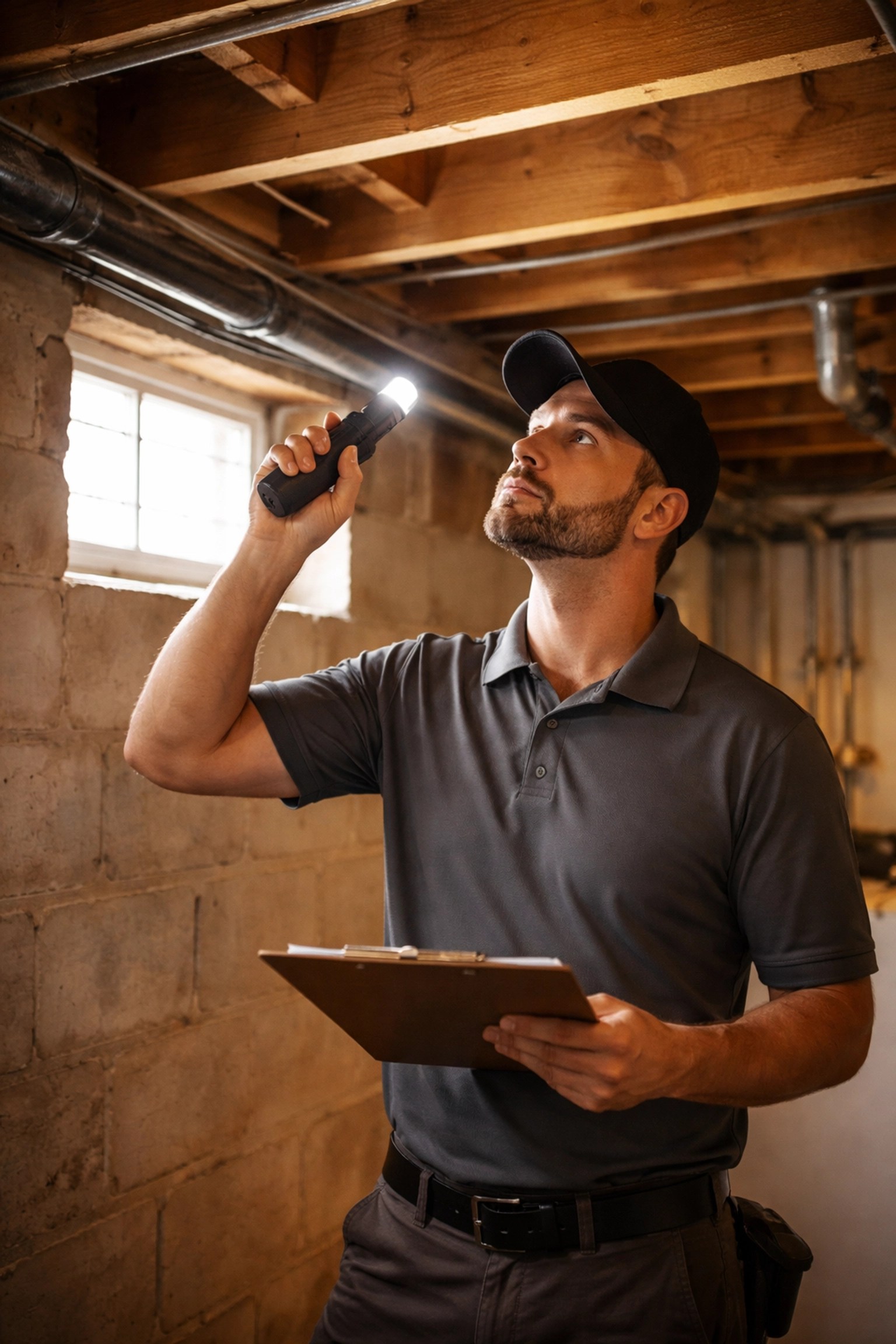
I've walked through homes after inspections where I spotted foundation issues, water damage patterns, and questionable electrical work that never made it into the report. Not because the inspector was lazy or incompetent, but because their scope literally doesn't allow them to make certain calls.
Here's what keeps me up at night: nine times out of ten, when major problems pop up after closing, it's because those defects were hidden in inaccessible areas. The inspector didn't miss it, they simply couldn't see it.
5 Things Inspectors Often Miss (Or Can't Comment On)
1. Structural Integrity Red Flags
Inspectors can note visible cracks or sagging, but they're not supposed to make determinations about structural integrity. That's outside their professional scope. So that hairline crack in the foundation? They might mention it, but they won't tell you if it's a $500 fix or a $50,000 problem.
With my construction background, I recognize the difference between settling cracks and structural failure patterns. It's like reading a different language, one that most buyers never learn.
2. Hidden Water Damage
Water is sneaky. It travels along beams, pools in unexpected places, and causes damage you won't see until mold is growing or floors are buckling.
Inspectors check for visible moisture, but they can't tear open walls to find the source. As someone who's handled countless insurance claims for water damage, I know exactly where to look for the telltale signs: discoloration patterns, warped baseboards, that slightly musty smell in a "finished" basement.
3. Code Violations
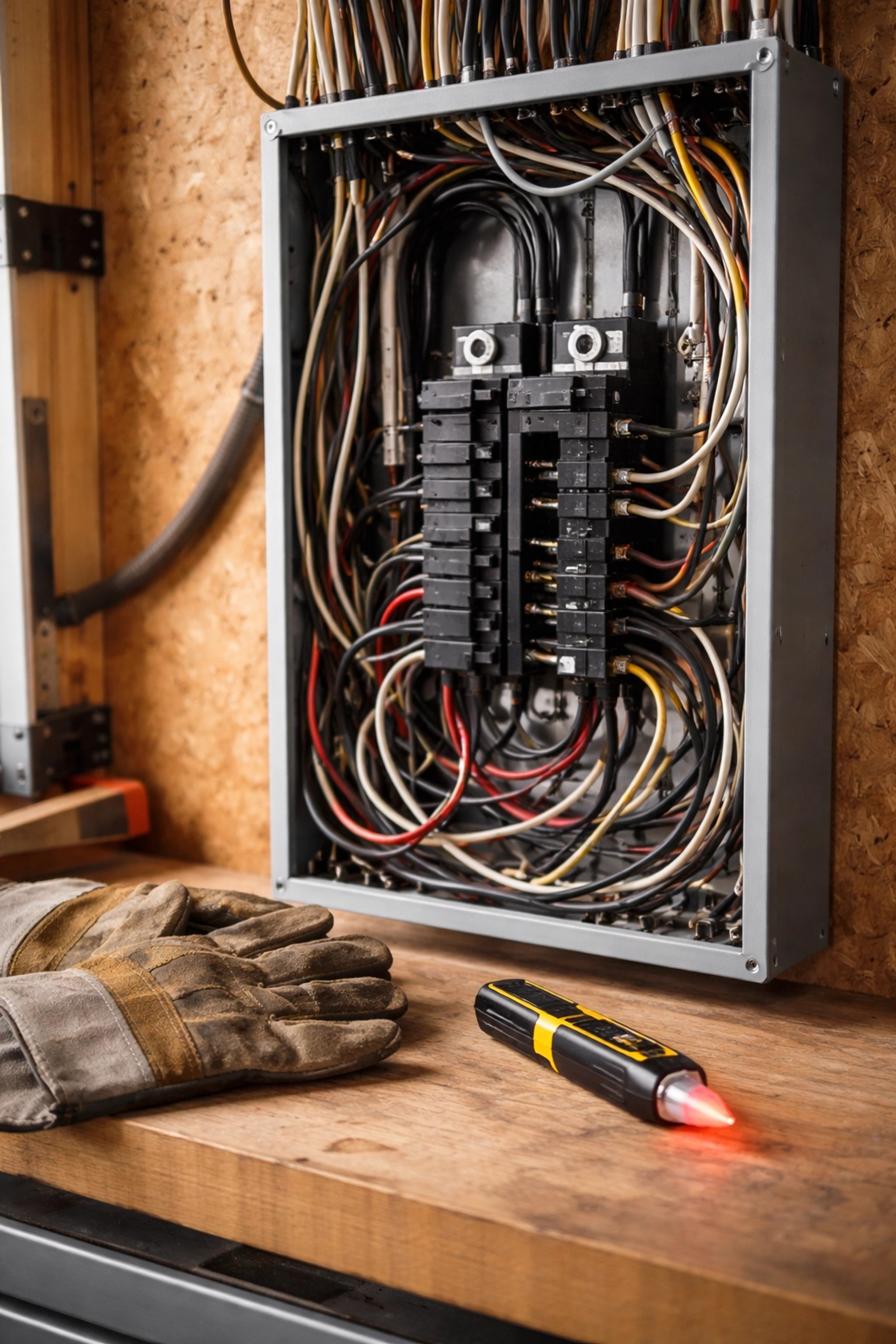
Here's a big one that surprises most buyers: home inspectors are not code inspectors. They're not checking whether your home meets current building codes, and they shouldn't be making code compliance determinations.
That DIY electrical panel upgrade the previous owner did? The unpermitted bathroom addition? These things might slip right through a standard inspection. But they absolutely matter for your safety and your wallet.
4. HVAC System Lifespan and Efficiency
An inspector will note if the HVAC turns on. Maybe they'll mention the age if they can find the manufacture date. But they're not predicting future performance.
I've seen systems that "worked fine" during inspection and died three months later. With construction experience, I look at installation quality, ductwork integrity, and signs of band-aid repairs that suggest the system is limping toward failure.
5. Roof Condition Beyond the Surface
Inspectors often view roofs from the ground or walk only accessible portions. They'll note missing shingles or obvious damage, but underlying issues, rotting decking, improper flashing, inadequate ventilation, often go undetected.
Having worked on roofs and processed roofing insurance claims, I know what shortcuts look like. I know the difference between a roof that'll last another 15 years and one that's a ticking time bomb.
Why Construction and Public Adjusting Experience Changes Everything
Here's where my background becomes your secret weapon.
When you work in construction, you learn how buildings are supposed to go together. You understand load-bearing walls, proper drainage, electrical load calculations, and a hundred other details that most people never think about. You develop an eye for quality workmanship, and for cut corners.
Add public insurance adjusting to the mix, and you've got someone who's spent years documenting damage, understanding what causes it, and knowing exactly how much repairs actually cost.
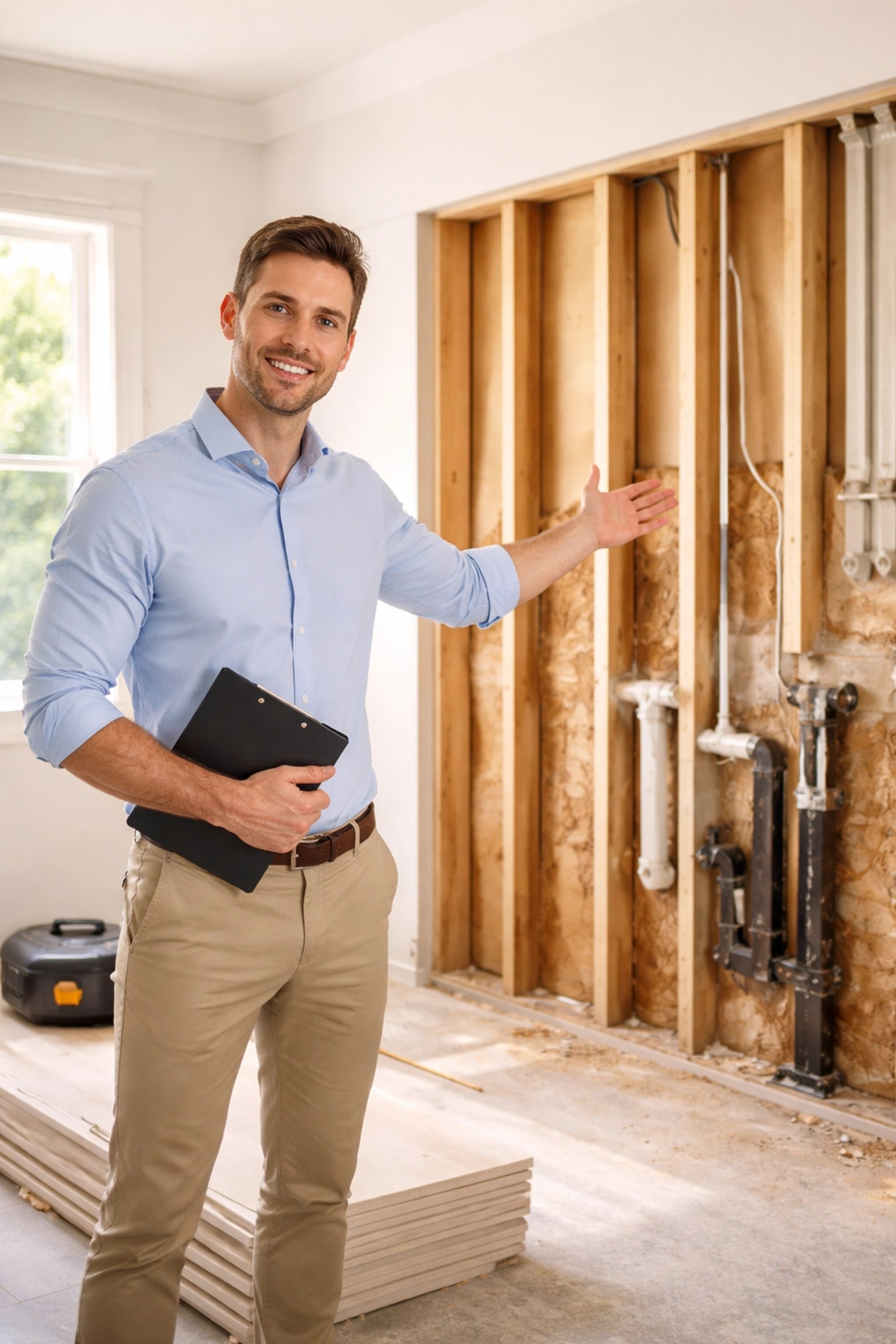
This combination means I walk into properties seeing things that don't show up in inspection reports. I notice when something looks "too new" in an otherwise older home, which often signals a repair that might be hiding a bigger problem. I spot the subtle signs of past water intrusion that sellers have painted over. I recognize when "renovations" were done without permits or proper materials.
My goal isn't to scare you out of buying. It's to make sure you know exactly what you're getting, and what it might cost you down the road.
Actionable Tips for NJ and PA Buyers in 2026
Alright, let's get practical. Here's how you can protect yourself:
1. Attend the inspection in person. Don't just wait for the report. Walk through with the inspector, ask questions, and pay attention to what they can't access.
2. Request a pre-inspection access list. Make sure the seller knows that attics, crawl spaces, electrical panels, and HVAC systems need to be accessible. If areas are blocked, that's a red flag.
3. Consider specialized inspections for older homes. In New Jersey and Pennsylvania, we've got a lot of housing stock from the early-to-mid 1900s. Sewer scopes, radon tests, and structural engineer consultations can save you from expensive surprises.
4. Ask about permits. Check with your local municipality about permit history. Unpermitted work is everywhere, and it can become your liability.
5. Work with an agent who knows construction. This is where I come in. I don't just open doors and write offers: I actively look for issues that could cost you money. Together, we can evaluate properties with a level of detail that goes far beyond the standard process.

6. Don't let inspection contingencies get waived. I know the market can get competitive, but waiving your right to inspect is gambling with your financial future. There are better ways to make your offer stand out.
7. Get repair estimates before negotiating. When issues do come up, don't guess at costs. Get actual contractor quotes so you can negotiate from a position of knowledge.
The Bottom Line
Home inspections serve an important purpose, but they have real limitations. Understanding those limitations: and having someone in your corner who can see beyond them: is how you protect yourself from buying someone else's expensive problems.
My construction background and experience as a public insurance adjuster aren't just interesting career trivia. They're tools I use every day to serve my clients better. Whether you're looking at a century-old row home in Trenton, a suburban split-level in Hamilton, or considering a move across state lines into Pennsylvania, I bring a perspective that most agents simply don't have.
If you're ready to buy with confidence: knowing that someone's truly looking out for your interests: let's connect. Together, we can find you a home that's everything it appears to be.
Joseph B. Clarke is a licensed real estate agent with Go Ramsie Homes Powered by eXp and a public insurance adjuster serving buyers and sellers throughout New Jersey and Pennsylvania.

Leave a Reply