
Let's clear something up right away: You don't typically "hire" a public insurance adjuster when buying a home. They're the professionals you call after disaster strikes: when your basement floods, your roof caves in, or a tree demolishes your garage.
But here's what most homebuyers in Philadelphia and Mercer County don't realize: Having a public adjuster's expertise DURING your home search can save you from buying someone else's expensive nightmare.
And that's exactly what makes my approach different.
The Hidden Problem With Traditional Real Estate Agents
Most realtors are excellent at what they do. They know neighborhoods, negotiate deals, and guide you through paperwork. But when they walk through a property, they're looking at curb appeal, layout, and potential.
What they're not seeing? The telltale signs that a home has filed multiple insurance claims. The repair work that looks fine on the surface but won't hold up. The damage that the seller "fixed" themselves to avoid another claim hitting their record.
As someone who works both sides: licensed realtor AND public insurance adjuster: I catch what others miss. It's like having X-ray vision for property problems.

What a Public Adjuster's Eye Catches During Showings
When I walk through a Hamilton or Trenton property with buyers, I'm simultaneously running a different checklist than traditional agents:
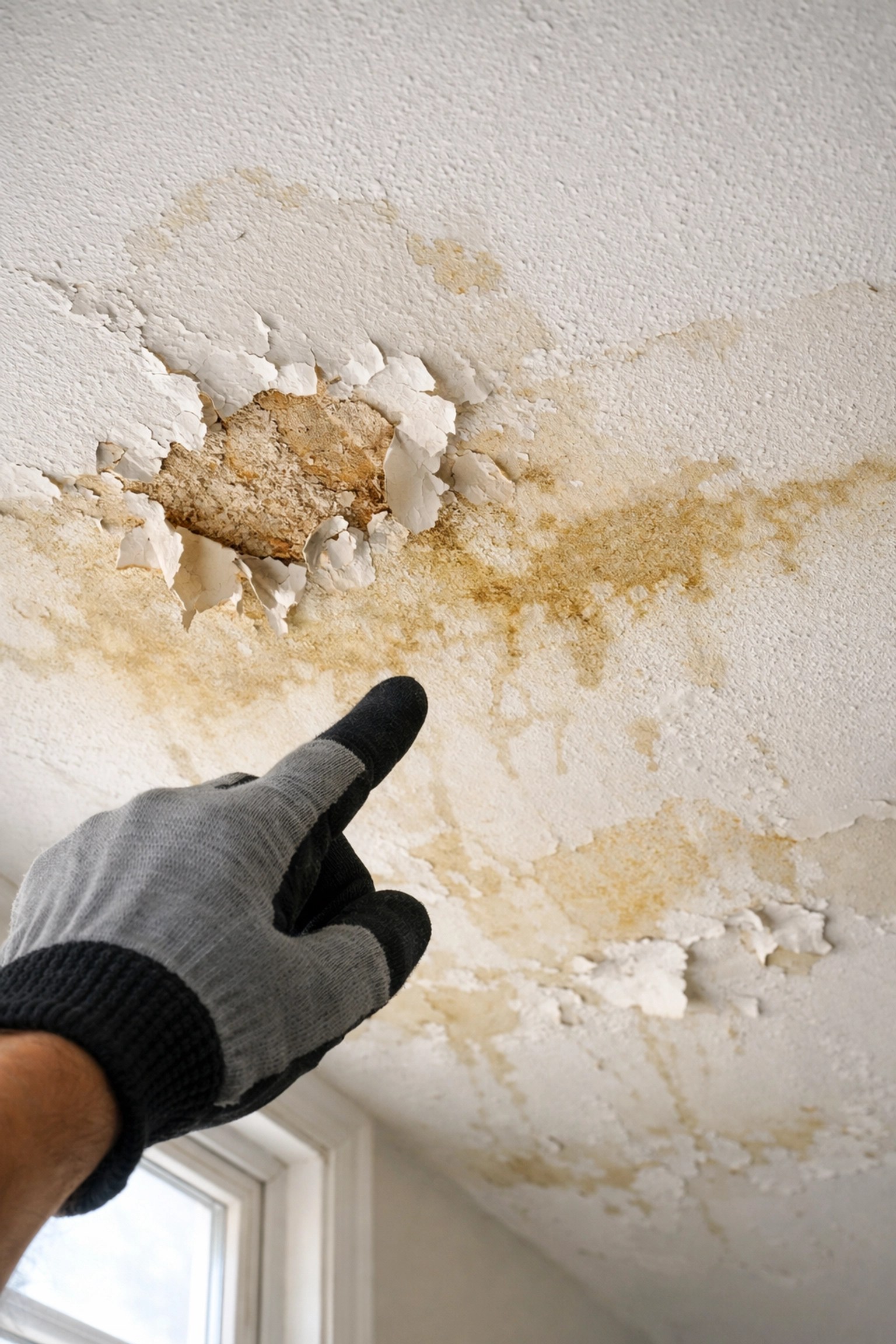
Water damage patterns: I know exactly what insurance companies look for when evaluating water claims. That "small ceiling stain" the seller brushed off? I can tell you if that's from a one-time leak or chronic moisture intrusion that'll cost you $15,000 to remediate properly.
Structural repairs: Did they fix that foundation crack with the right materials and techniques, or did they slap some caulk on it and pray? I've assessed enough claims to know which repairs were done right and which ones are ticking time bombs.
Roof conditions: Most buyers get a home inspection. Great. But I can tell you whether that roof has 2 years left or 10 years left, what your insurance company will think of it, and whether they'll even insure the property without immediate replacement.
Previous claim history: While I can't access a property's exact claim history without the owner's permission, I absolutely can identify damage patterns that suggest multiple claims. This matters because some insurance companies won't touch a property with frequent claims.
The Philadelphia & Mercer County Reality
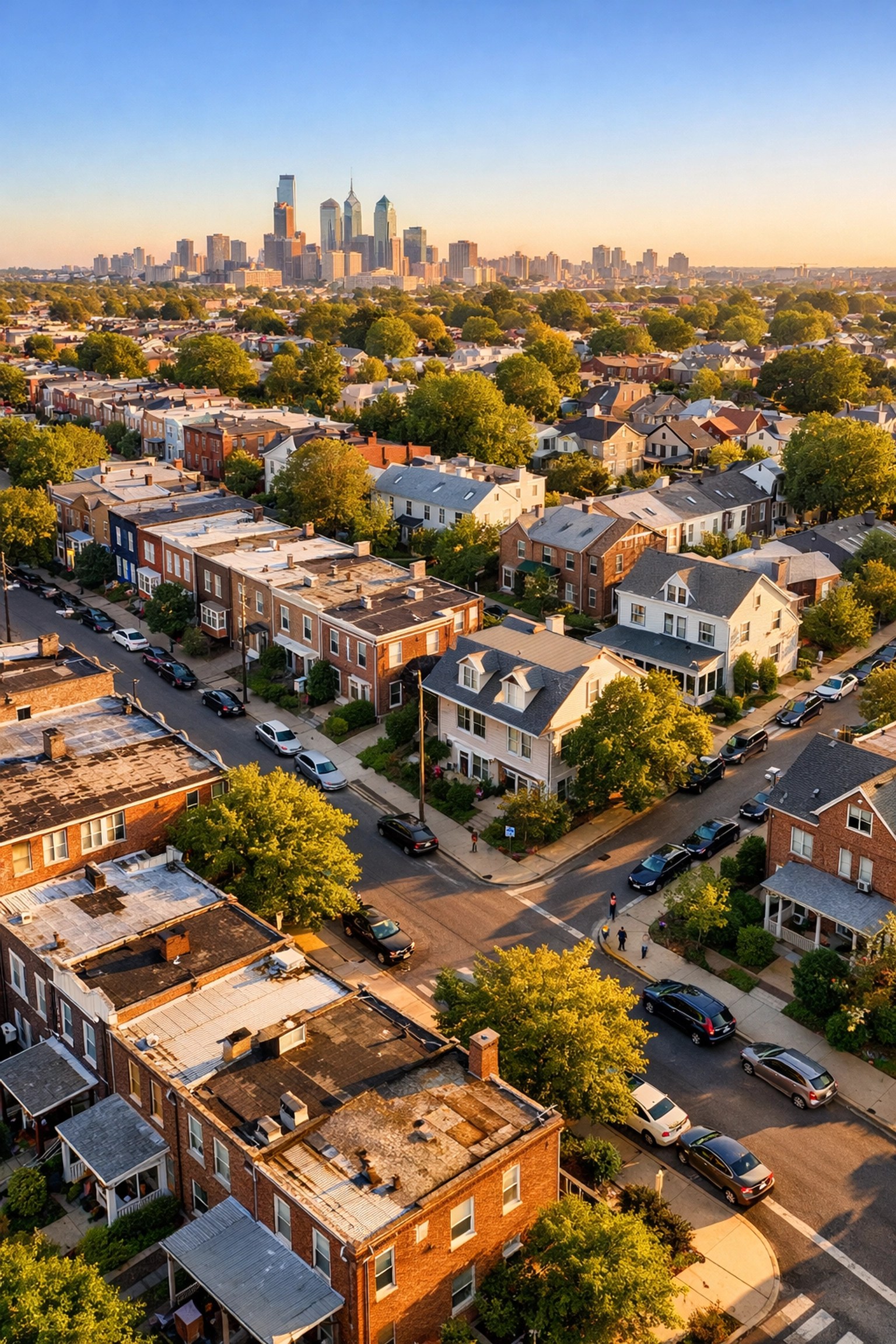
Our market has unique challenges. We're dealing with:
- Older housing stock: Tons of properties built in the 1920s-1960s with outdated electrical, plumbing, and roofing systems
- Harsh weather: We get everything: snow, ice, thunderstorms, occasional flooding
- Urban density issues: Properties in Philadelphia neighborhoods often share walls, roofs, or drainage systems, meaning one person's problem becomes yours
- Deferred maintenance: Especially in inherited properties or investment homes flipped quickly
A traditional realtor shows you a charming 1950s Colonial in Hamilton. You fall in love with the hardwood floors and vintage tile. I see the knob-and-tube wiring that'll cost $8,000-$12,000 to replace, which some insurance companies won't cover at all until it's updated.
That's the difference.
Real Scenarios Where This Expertise Saves Buyers
Scenario 1: The "Newly Renovated" Flip
Last year, I worked with buyers looking at a renovated row home in South Philly. Beautiful photos. Fresh paint. Updated kitchen. Price seemed reasonable.
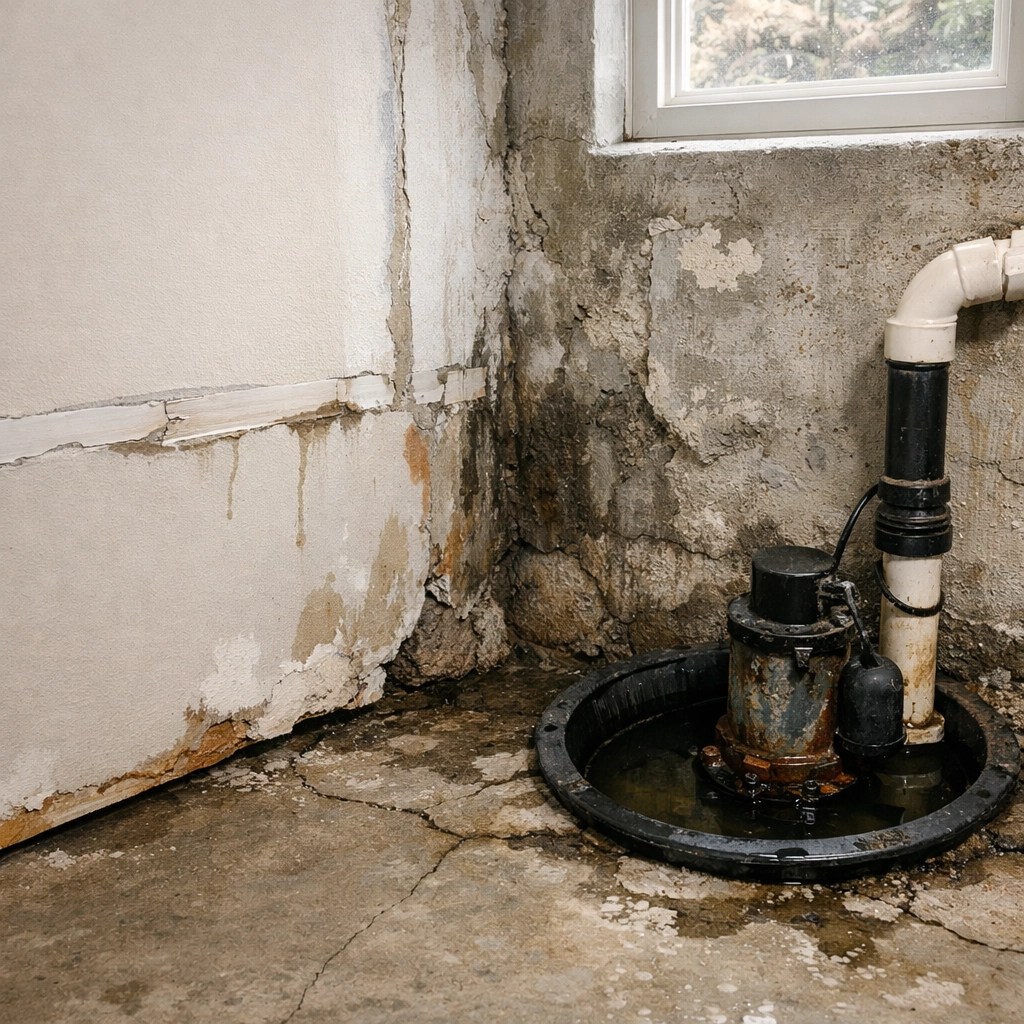
During the showing, I noticed the basement drywall was installed incorrectly for a basement environment: they used standard drywall instead of moisture-resistant materials. The sump pump looked undersized for the space. And the grading around the foundation? All wrong.
A traditional home inspection might catch some of this. But I told my clients exactly what would happen: "You'll have water in this basement within two years, your insurance company will deny the claim because this was pre-existing poor workmanship, and you'll spend $20,000 fixing it out of pocket."
They walked away. Two months later, they found a better property, and I made sure it was actually sound.
Scenario 2: The "Storm Damage Repair"
A client fell in love with a house in Ewing Township. The sellers disclosed that they'd had roof damage from a storm two years prior, which insurance covered and they'd repaired.
Sounds fine, right? But when I examined the repair work, I could see they'd only replaced the obviously damaged section: not the surrounding areas that had sustained wind damage. The flashing was installed wrong. The ventilation was compromised.
I brought in a roofing contractor I trust, and we estimated the roof needed another $12,000 in work. We renegotiated the purchase price to account for this, and my clients got the full repair done properly.
Understanding Insurance Implications Before You Buy
Here's something most buyers never consider until it's too late: Your insurance premiums and coverage are determined by the property's condition and history.
When you work with someone who understands both real estate and insurance claims, you learn:
- Which properties will be expensive to insure (or potentially uninsurable)
- What repairs insurance companies require before issuing a policy
- Which improvements will actually lower your premiums
- What damage types are typically excluded from standard policies
- Whether you need flood insurance (even outside designated flood zones)
In Mercer County and Philadelphia, I've seen buyers get stuck with properties they can't affordably insure. A few even had their insurance companies drop them after one year when they discovered pre-existing issues the buyers didn't disclose (because they didn't know).
That doesn't happen with my clients. We address these concerns during the buying process, not after.
The Financial Reality: Prevention Beats Reaction
Public adjusters typically charge 5-20% of your final insurance settlement. On a $30,000 claim, that's $1,500-$6,000 out of your settlement check.
But consider this: If my expertise during your home search prevents you from buying a property with hidden damage, you're not paying me anything extra: I'm already your realtor earning a commission from the sale. You get public adjuster-level insight at no additional cost.
And you avoid the headache of filing claims, fighting with insurance companies, and living through repairs.
What This Looks Like in Practice
When you work with me, here's what happens differently:
During showings: I point out issues others miss and explain their insurance implications
During inspections: I can interpret findings through an insurance lens and advise on negotiation strategies
During closing: I ensure you have proper documentation of the property's condition for future insurance purposes
After purchase: If disaster does strike, you already have a trusted public adjuster in your corner
Not Every Property Needs This Level of Scrutiny
If you're buying new construction with warranties and builder guarantees, my public adjuster expertise matters less (though it still helps with understanding coverage).
But if you're buying:
- Older homes in Hamilton, Trenton, or Philadelphia neighborhoods
- Properties that have been flipped
- Homes sold "as-is"
- Properties in flood-prone areas
- Investment properties you'll rent out
Then having someone who speaks both real estate and insurance becomes invaluable.
The Bottom Line
You can't hire a public adjuster when buying property: that's not what they do. But you absolutely can work with a realtor who IS a public adjuster and brings that expertise to every showing, every inspection, and every negotiation.
In our challenging Philadelphia and Mercer County market, where housing stock is older and weather is unpredictable, this dual perspective isn't just helpful: it's essential protection for what's likely your biggest investment.
My goal isn't to scare you away from properties or create problems where none exist. It's to ensure that when you fall in love with a home, you're seeing it clearly: not just the pretty parts, but the real condition and what it means for your long-term financial security.
Together, we can find you a property that's not just beautiful, but sound. One that won't surprise you with massive insurance headaches six months after closing.
Ready to house hunt with someone who sees what others miss? Let's talk about what you're looking for, and I'll bring both my real estate expertise and my public adjuster's eye to your search.
Joseph B. Clarke
Real Estate Agent & Public Insurance Adjuster
Go Ramsie Homes Powered by eXp
josephclarke.exprealty.com
Leave a Reply