
If you have lived in New Jersey for any amount of time, you have likely participated in our unofficial state pastime: complaining about property taxes. It’s no secret that the Garden State consistently ranks number one in the nation for property tax rates. When you look at a listing in Hamilton or Trenton and see a five-figure tax bill, it’s enough to make anyone consider crossing the bridge into Philadelphia.
But as a real estate agent with a deep background as a Public Insurance Adjuster and a construction professional, I’ve learned that the "sticker price" of property taxes is only one piece of a much larger puzzle. My name is Joseph B. Clarke, and at Go Ramsie Homes Powered by eXp, I strive to provide my clients with a level of excellence that goes beyond just finding a house. I want to help you understand the total cost of ownership.
Before you pack your bags for Pennsylvania to escape the NJ tax man, let’s look at the actual math. When we compare Hamilton, Trenton, and Philadelphia, the "cheapest" option isn't always the one with the lowest tax bill.
The Reality of New Jersey Property Taxes
Let’s address the elephant in the room. New Jersey’s effective property tax rate hovers around 2.2%. In a town like Hamilton, NJ, a home valued at $500,000 can easily carry a tax burden of $11,000 or more annually. To a buyer coming from out of state: or even a first-time buyer locally: that $900+ per month added to the mortgage payment feels like a heavy weight.
However, these taxes aren't just disappearing into a void. In suburbs like Hamilton, those taxes fund highly-rated school systems, robust municipal services, and well-maintained parks. From a real estate perspective, these factors often lead to stronger long-term property appreciation.
In Trenton, the situation is slightly different. While the tax rate is high, the assessed values are often lower than in the surrounding suburbs. However, the "total cost" in Trenton often involves factors that the tax bill doesn't show: namely, the age of the housing stock and the associated maintenance.

Philadelphia: The "Lower Tax" Illusion?
On the surface, Philadelphia looks like a bargain. The property tax rate in Philly is significantly lower than in NJ. You might see a similar $500,000 home with a tax bill of only $6,500. On paper, you’re "saving" nearly $400 a month.
But here is where my experience in construction and finance comes into play. Philadelphia has "hidden" costs that New Jersey does not:
- The Wage Tax: If you live in Philadelphia, you are subject to the City Wage Tax (currently around 3.75% for residents). For a household earning $150,000 a year, that is $5,625 straight out of your pocket every year. Suddenly, your "tax savings" have almost entirely evaporated.
- The Transfer Tax: When you buy a home in Philadelphia, the transfer tax is a staggering 4.578% (split between buyer and seller). In NJ, the buyer typically pays very little in transfer fees. This means your "closing costs" in Philly are significantly higher, requiring more cash upfront.
- The Commute: If you live in Philly but work in NJ (or vice versa), you’re dealing with bridge tolls and potentially higher insurance rates for urban parking.
The Public Adjuster’s Edge: Hidden Insurance Costs
This is where my unique background provides a massive advantage for my clients. Most real estate agents look at the listing sheet and stop there. As a Public Insurance Adjuster, I look at the bones of the house and the risks associated with the location.
Your total monthly cost includes your homeowners insurance premium, and these premiums are not created equal.
Hamilton vs. Trenton vs. Philadelphia Insurance Landscape
In Hamilton, you are often looking at mid-century or newer construction. The electrical systems are usually up to modern codes, and the plumbing is less likely to be galvanized pipe. Insurance companies love this. Your premiums are generally stable and affordable.
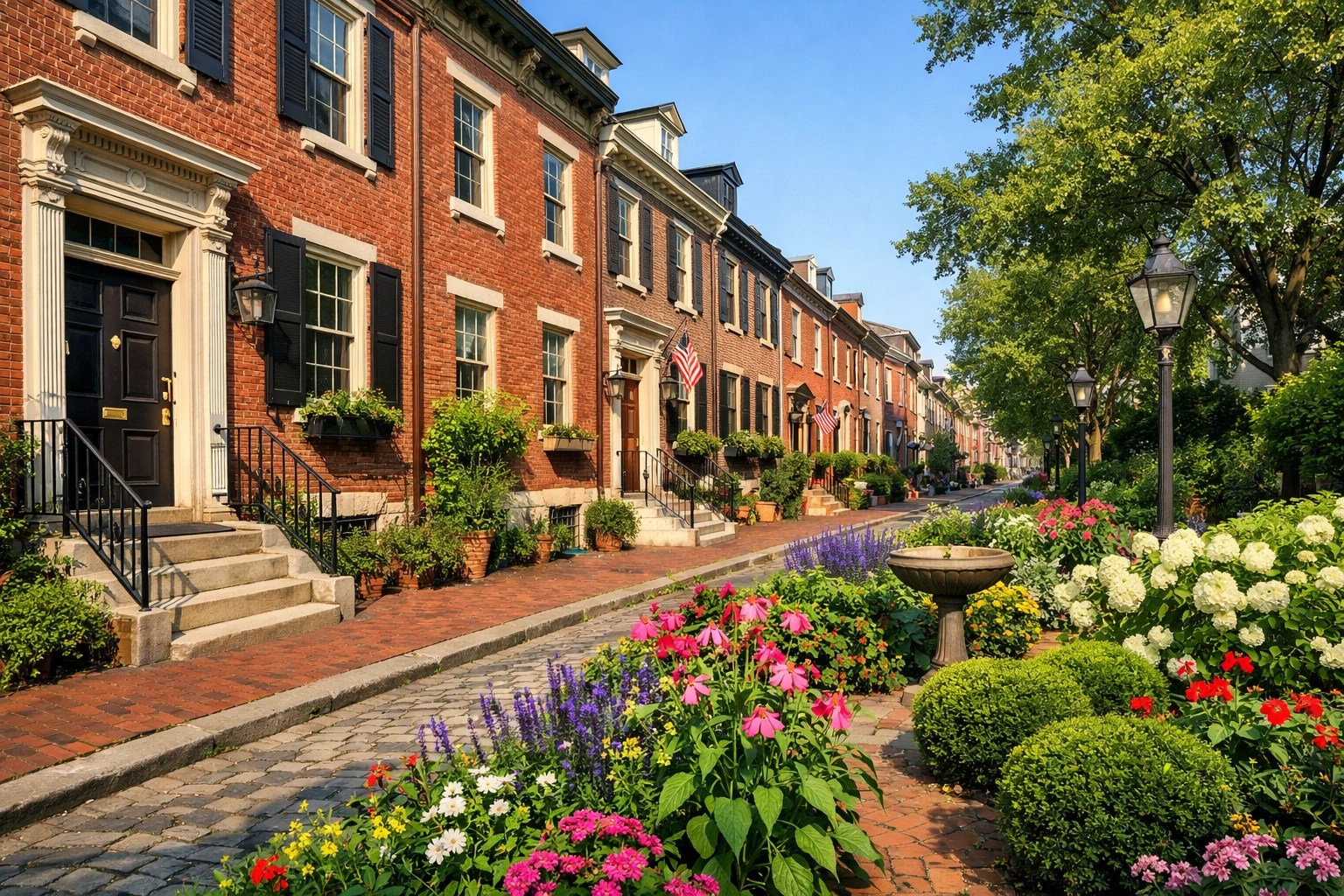
In Trenton and Philadelphia, we are often dealing with beautiful, historic row homes. While these homes have incredible character, they also come with "hidden" insurance triggers.
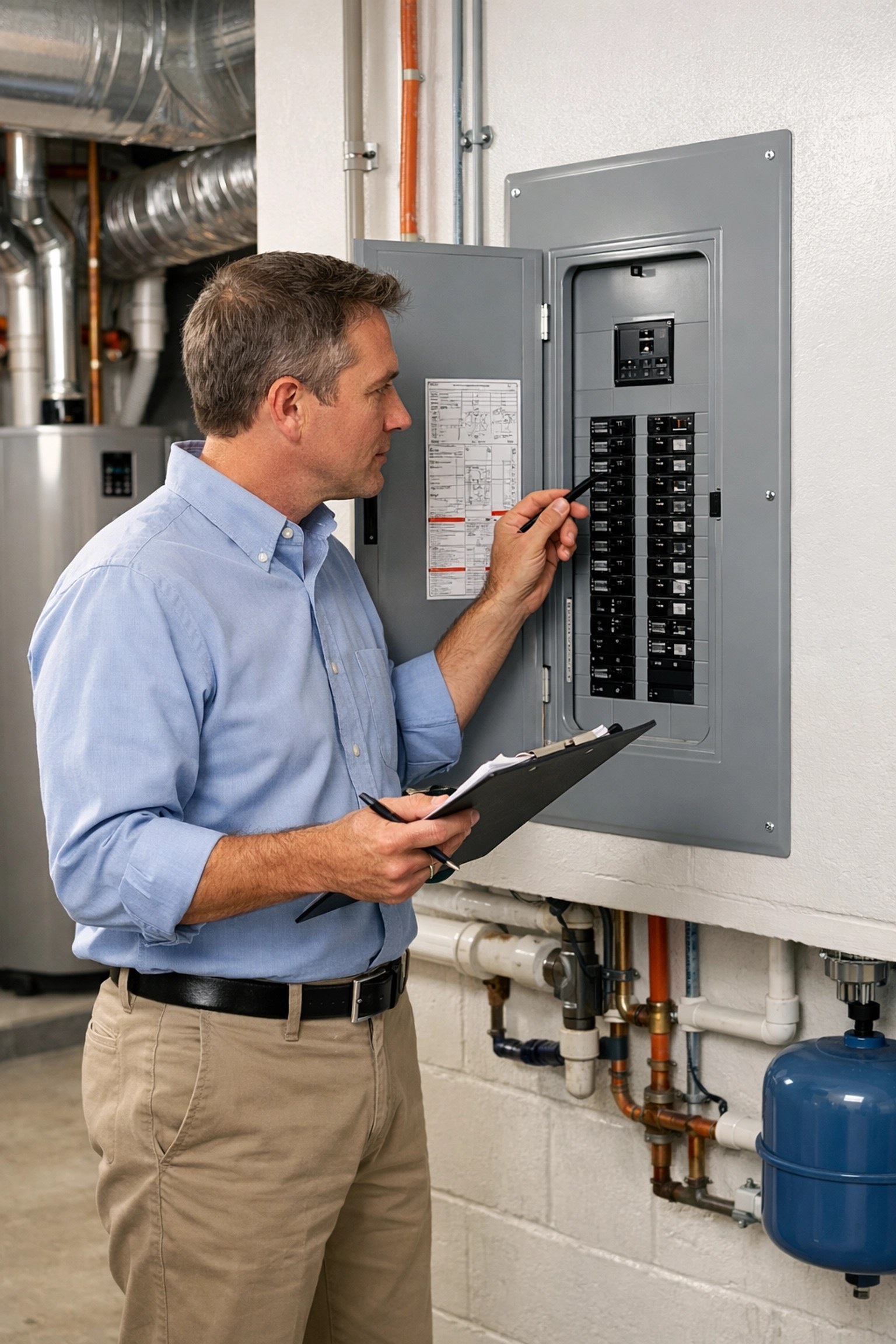
- Aging Infrastructure: Older service panels or knob-and-tube wiring can cause some insurance carriers to deny coverage or charge a massive premium.
- Water Damage Risks: In dense urban environments like Trenton or Philly, your risk isn't just your own pipes: it’s your neighbor’s. If a row home next door has a pipe burst, it can affect your property.
- Public Adjuster Insight: I’ve seen firsthand how a "cheap" urban home can become expensive when an insurance company mandates a $5,000 roof replacement or an electrical upgrade before they will issue a policy.
Construction and Maintenance: The Silent Budget Killer
Beyond taxes and insurance, the "Total Cost of Ownership" must include maintenance. This is where my construction background allows me to serve my clients with the highest quality advice.
A home in Hamilton with a larger yard might require more in landscaping costs, but the structural integrity of a 1990s suburban build is often easier to manage. Conversely, a Victorian in Trenton or a colonial row home in Philadelphia might have a smaller footprint but much higher maintenance costs per square foot.
When I walk through a property with you, I’m not just looking at the granite countertops. I’m looking at the age of the HVAC, the pitch of the roof, and the state of the foundation. I diligently strive to ensure that my clients aren't surprised by a $15,000 repair three months after closing. When you factor in a $200/month "reserve" for repairs on an older home, that "low tax" benefit disappears even faster.
Total Monthly Cost Breakdown (Estimated)
Let’s look at a hypothetical $450,000 home purchase across the three areas:
| Cost Factor | Hamilton, NJ | Trenton, NJ | Philadelphia, PA |
|---|---|---|---|
| Property Tax | ~$850/mo | ~$750/mo | ~$500/mo |
| Home Insurance | ~$100/mo | ~$150/mo | ~$165/mo |
| Wage Tax ($100k income) | $0 | $0 | ~$312/mo |
| Total "Tax/Insurance" | $950/mo | $900/mo | $977/mo |
Note: These are estimates for illustrative purposes. Actual costs vary based on specific property and income.
As you can see, once you add the Philadelphia Wage Tax and the higher insurance premiums associated with older urban construction, the "expensive" New Jersey suburbs are often actually cheaper on a monthly basis.
Finding the Right Fit for Your Life
My goal is not to steer you toward one city or another, but to provide you with the data you need to make an informed decision. For some, the vibrancy and culture of Philadelphia are worth the wage tax. For others, the space and school systems of Hamilton are the priority.
My commitment to you is to be more than just a person who opens doors. I am a partner who understands the complexities of construction, the nuances of insurance claims, and the reality of the local tax code. I recognized early in my career that real estate is about more than just a transaction; it is about building a secure future for your family.
Whether you are looking for your first home in Mercer County or considering an investment property across the river, I am here to guide you with transparency and expertise. Together, we can find a home that fits not just your lifestyle, but your actual budget.
If you’re ready to stop guessing and start calculating the real cost of your next move, I’d love to help. Explore more resources on my website or reach out to me directly to start the conversation.
Explore listings and more at: josephclarke.exprealty.com
See our full site map: josephclarke.exprealty.com/sitemap-index.xml
Go Ramsie Homes Powered by eXp
Joseph B. Clarke – Real Estate Agent & Public Insurance Adjuster
Equal Housing Opportunity

Leave a Reply